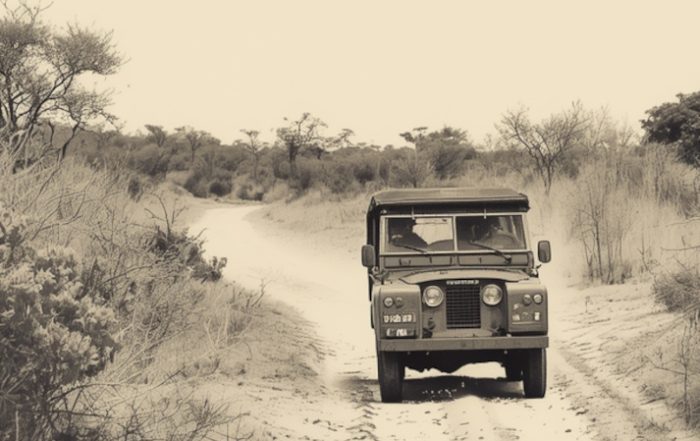
Last December Dave led a safari to a new destination for us – Odzala-Kokoua National Park, situated in a remote corner of a country on the west side of Africa – the Republic of Congo (often abbreviated to ROC).
There are two Congos. The ROC has a longstanding stable government, in contrast to its more well-known giant neighbour, the Democratic Republic of Congo (DRC) – a name bearing little relation to the frequency of elections there. Though Rwanda and the ROC sit on opposite sides of Africa, the DRC is so vast it shares a border with both.
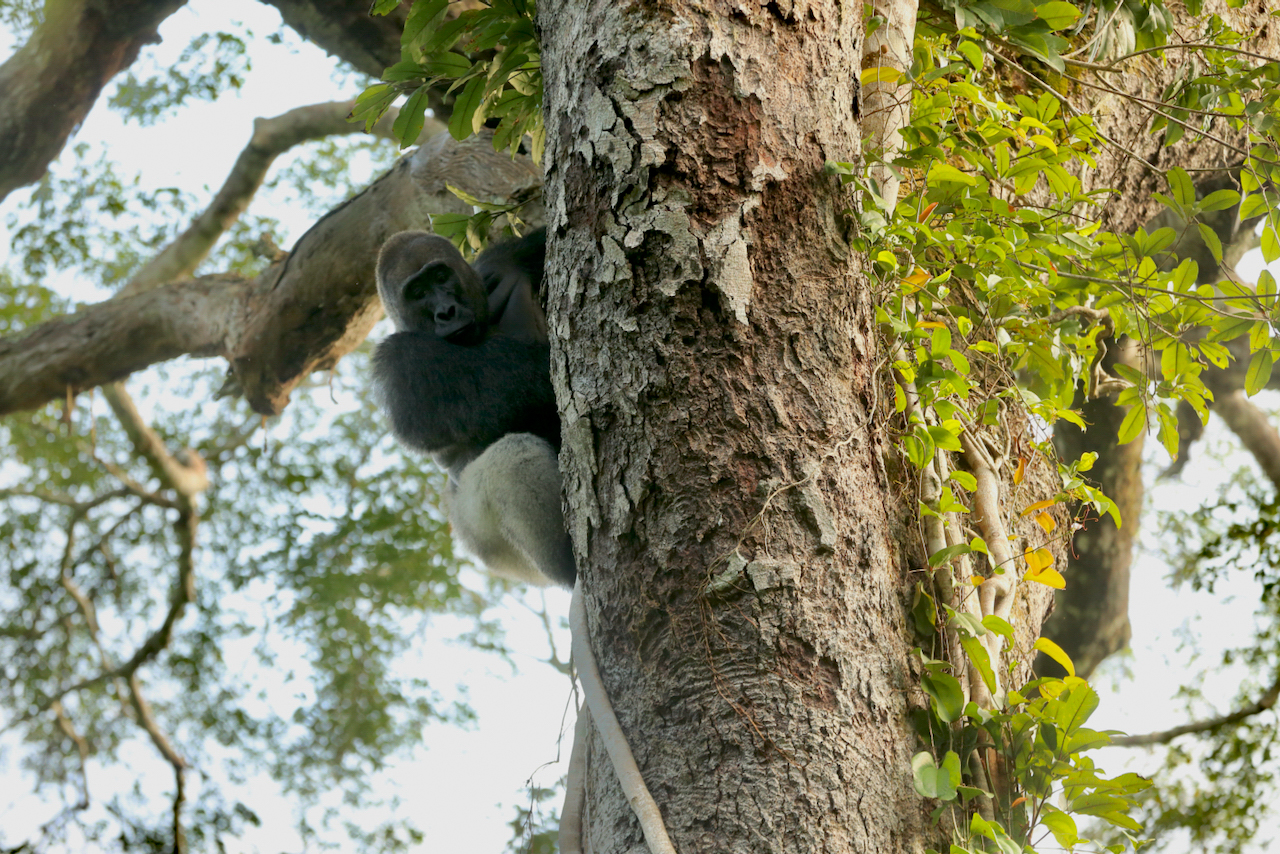
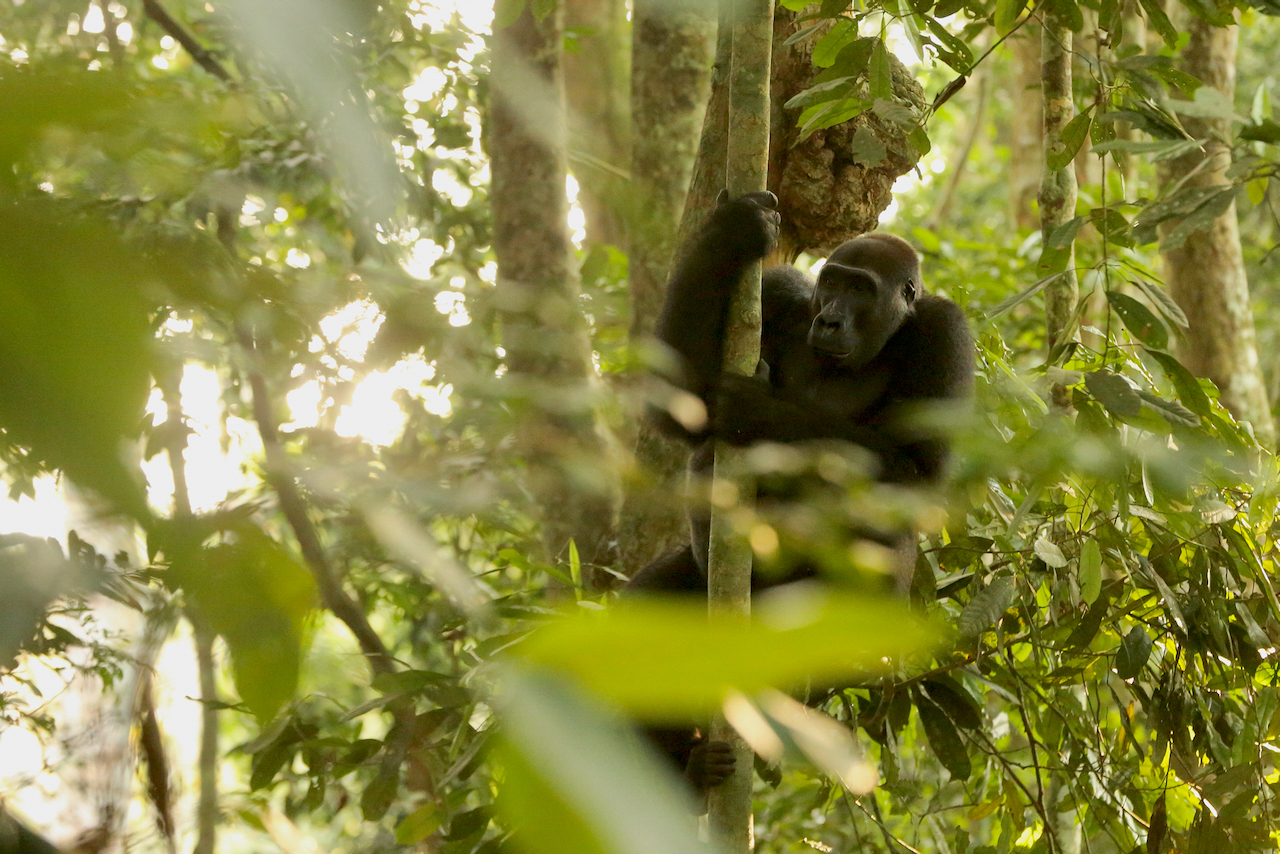
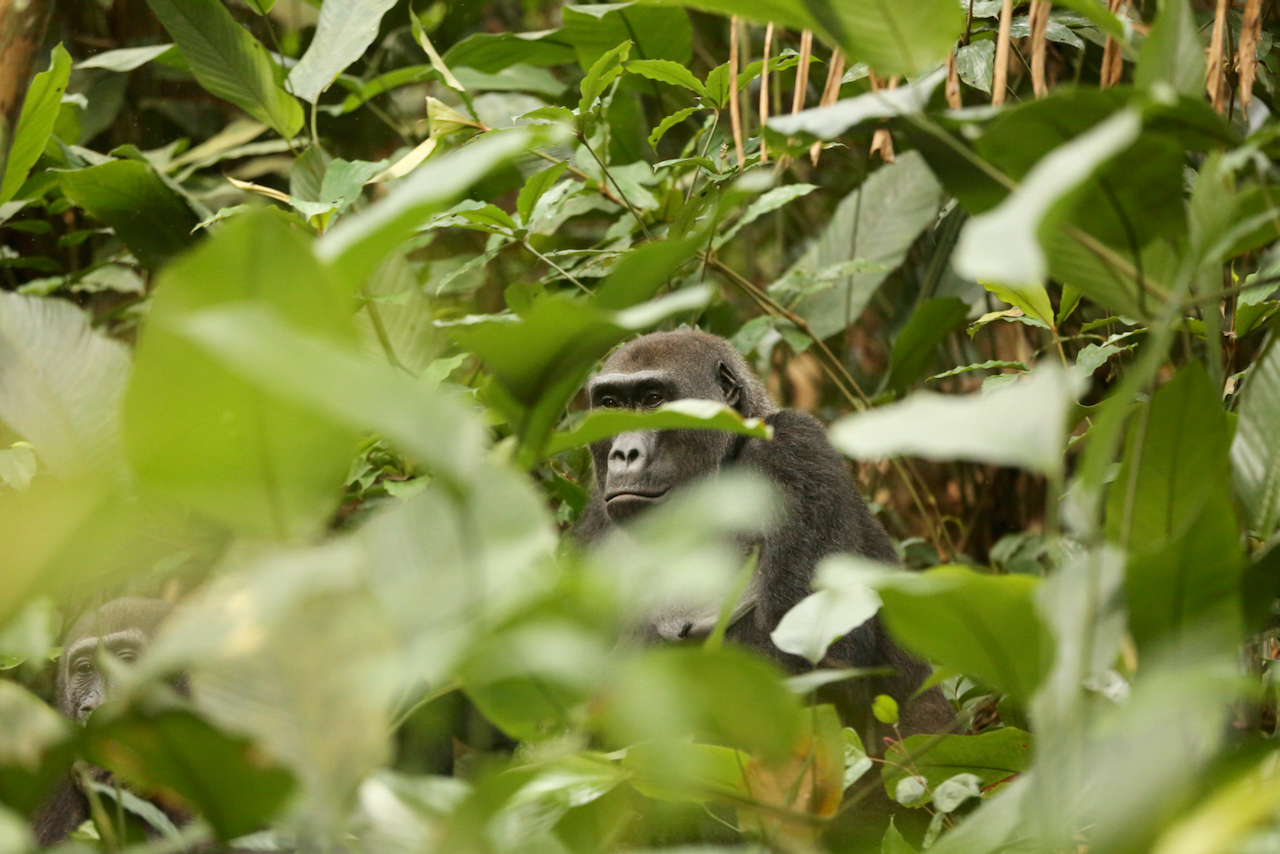
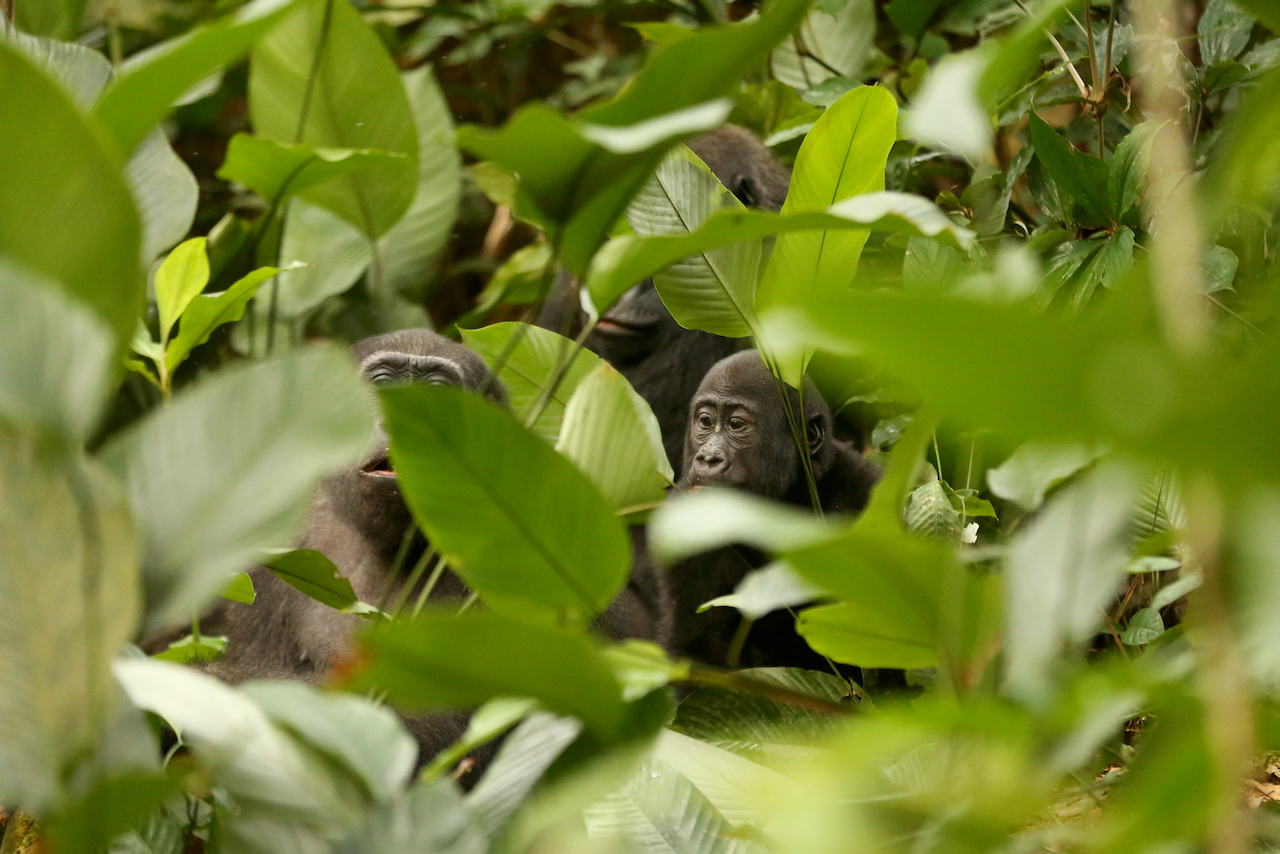
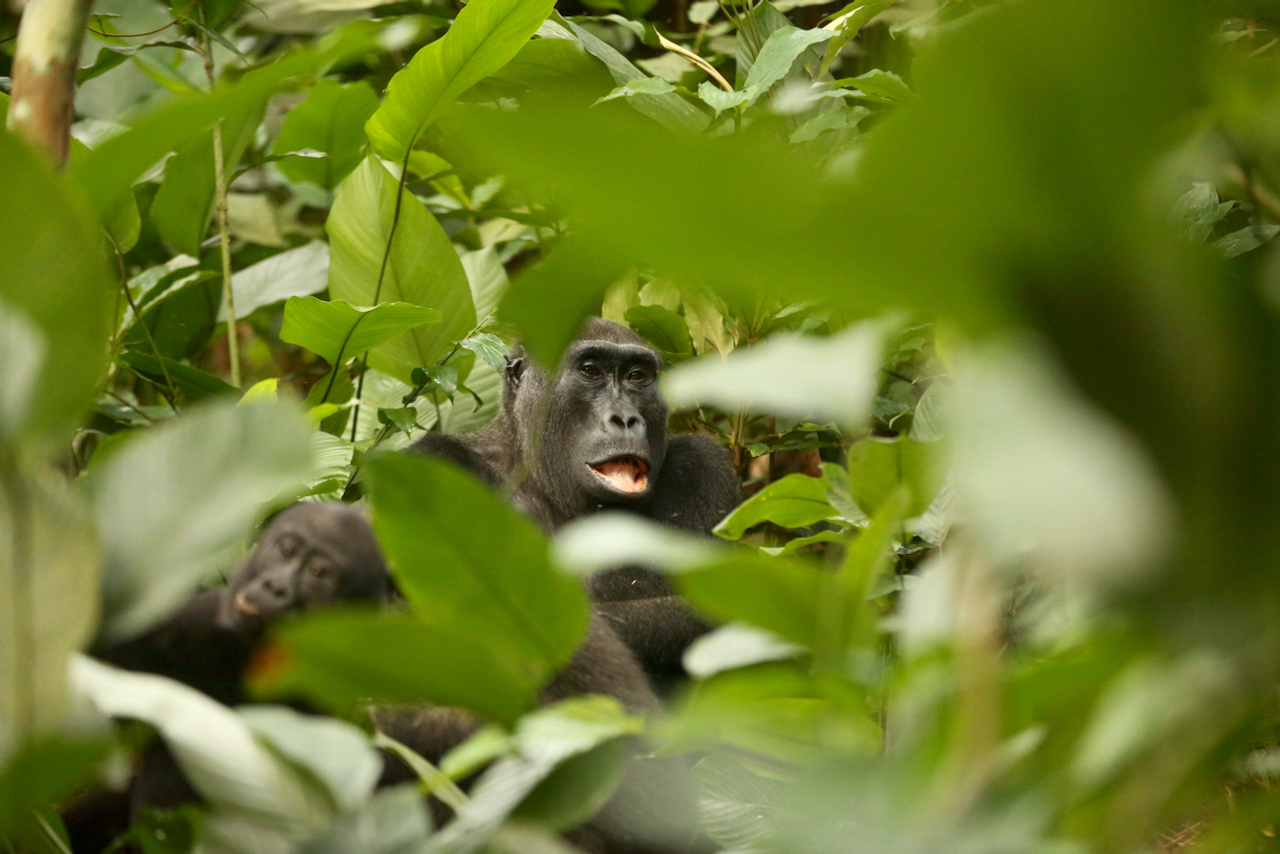
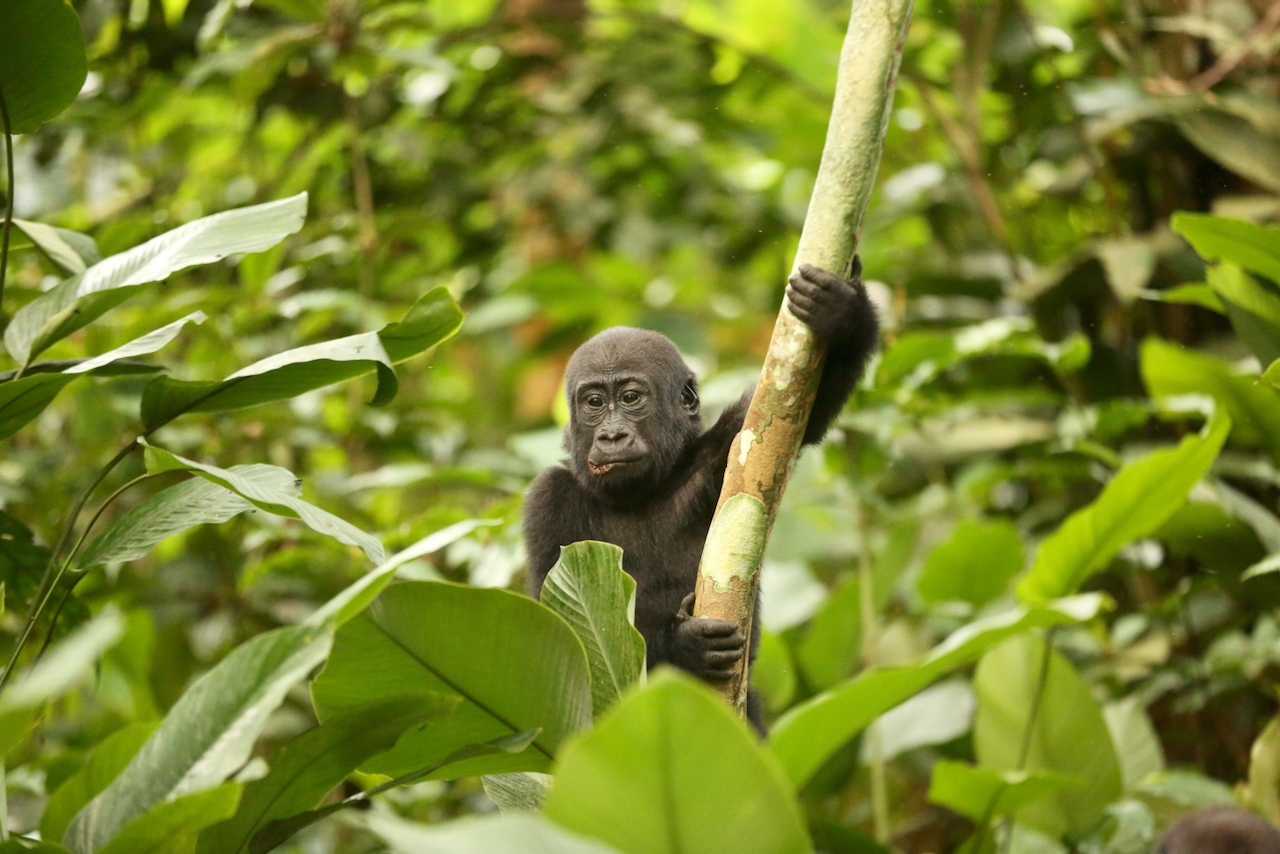
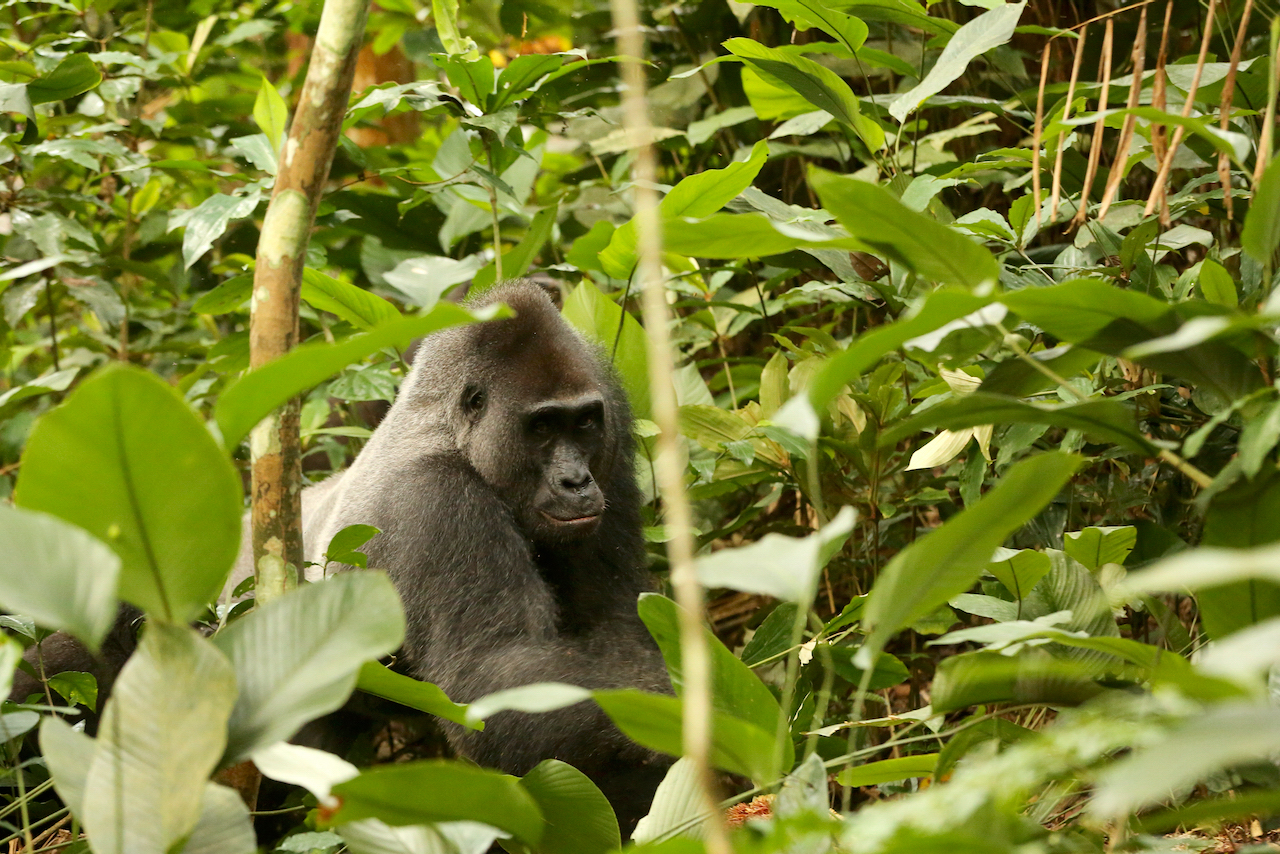
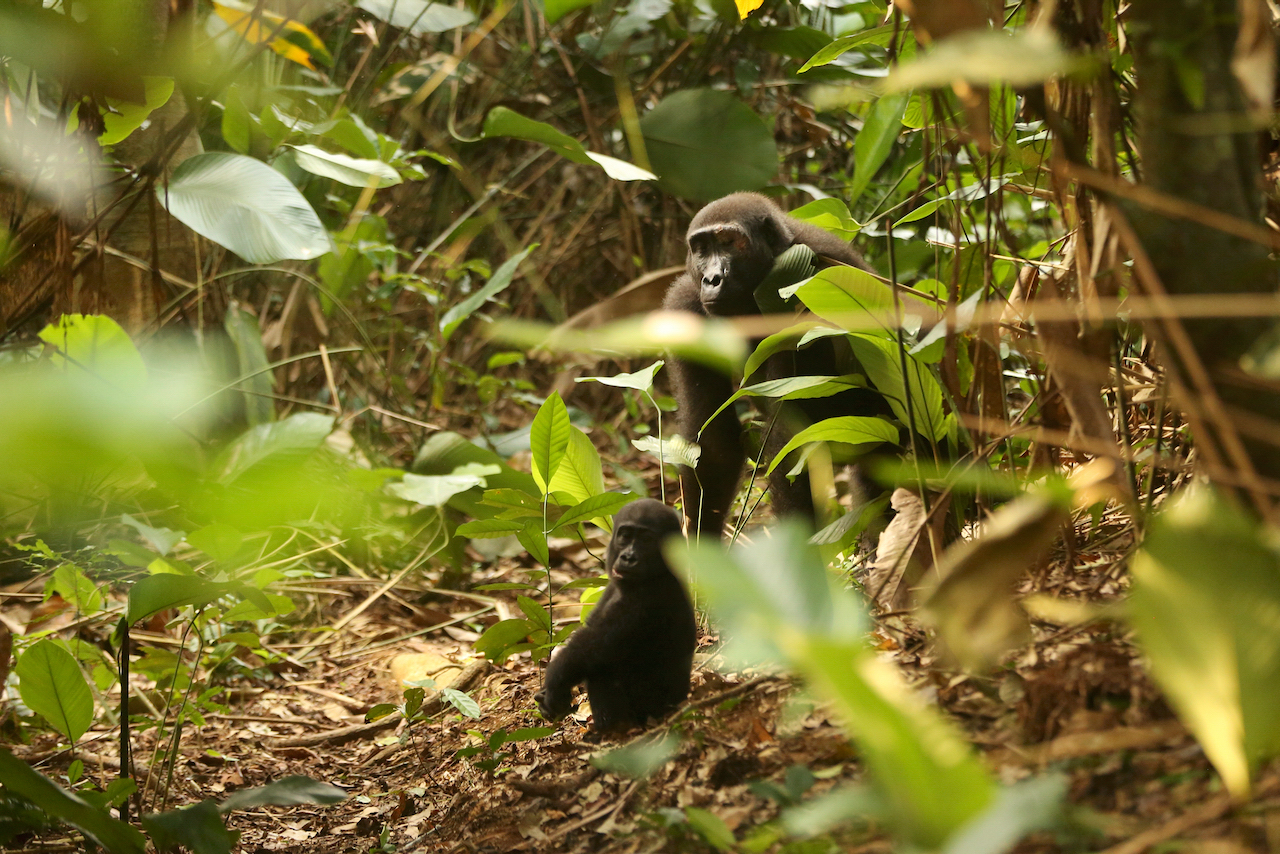
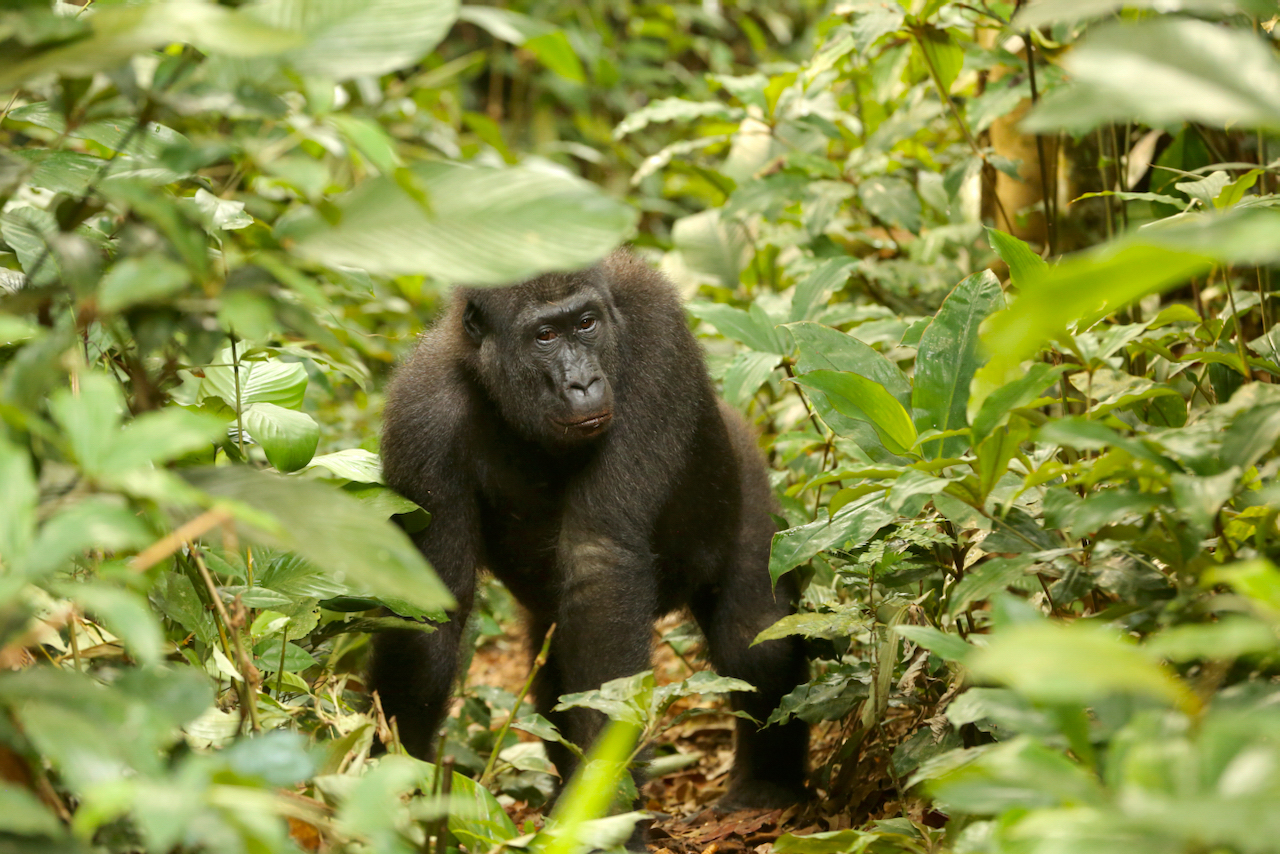
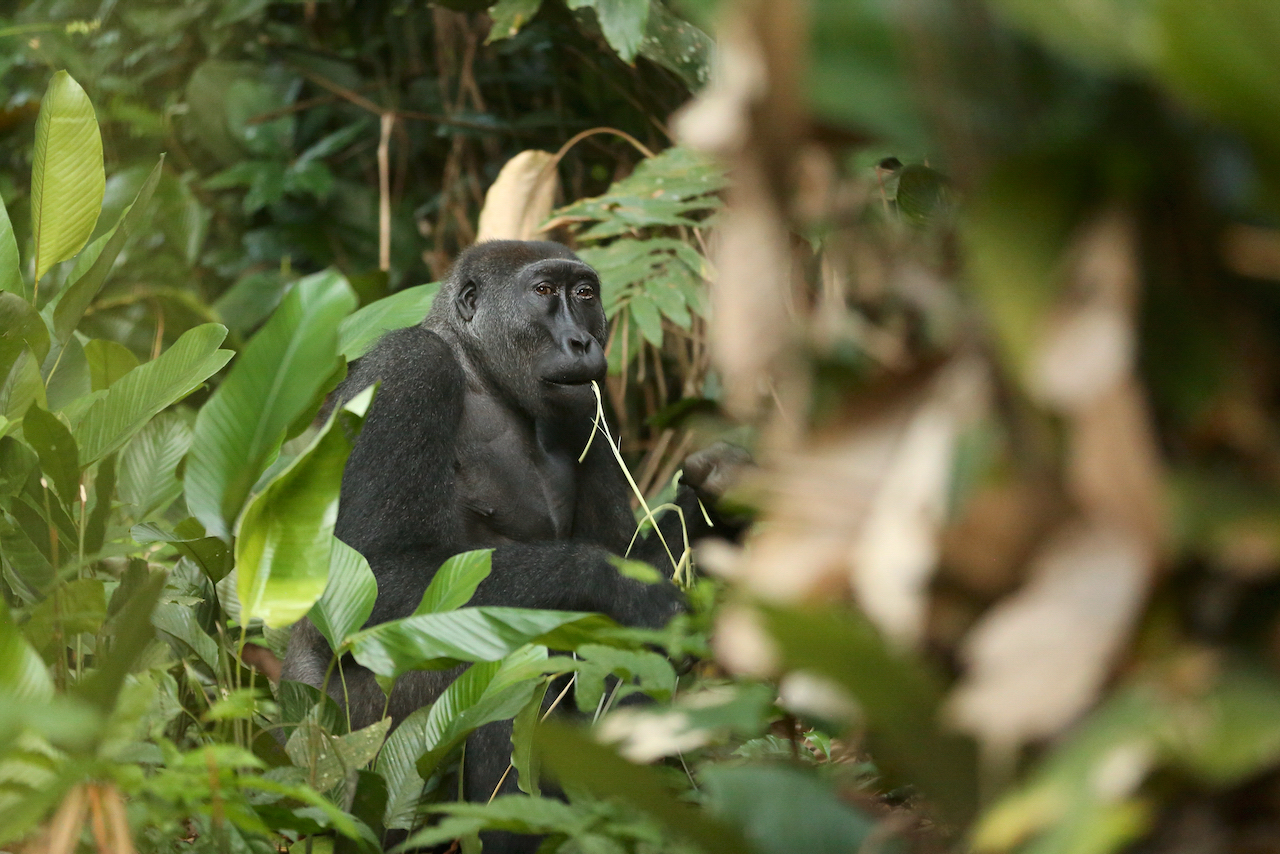
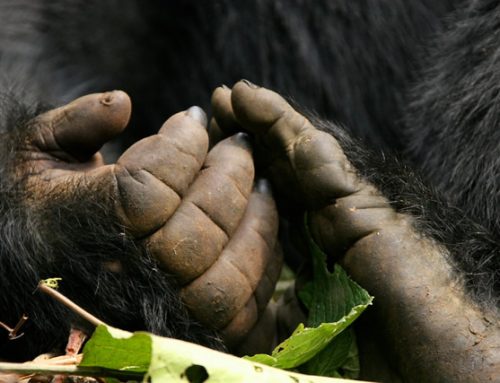
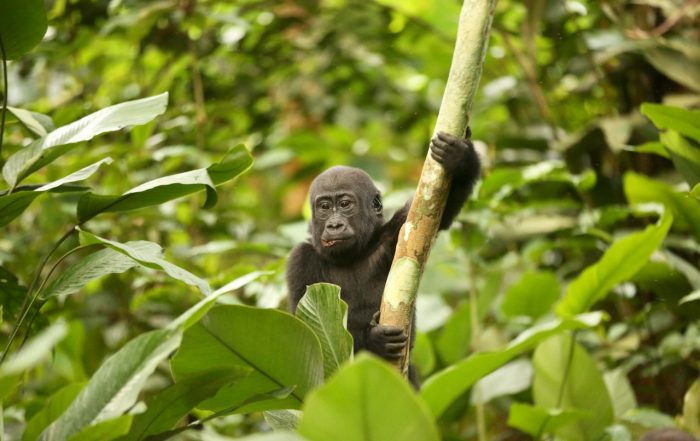
Few words conjure darkest, most mysterious Africa quite like “the Congo.” The main goal of visiting the ROC, however, was not the passport stamp but the opportunity to track Western lowland gorillas (Gorilla gorilla gorilla) in one of the continent’s most remote and sparsely populated regions.
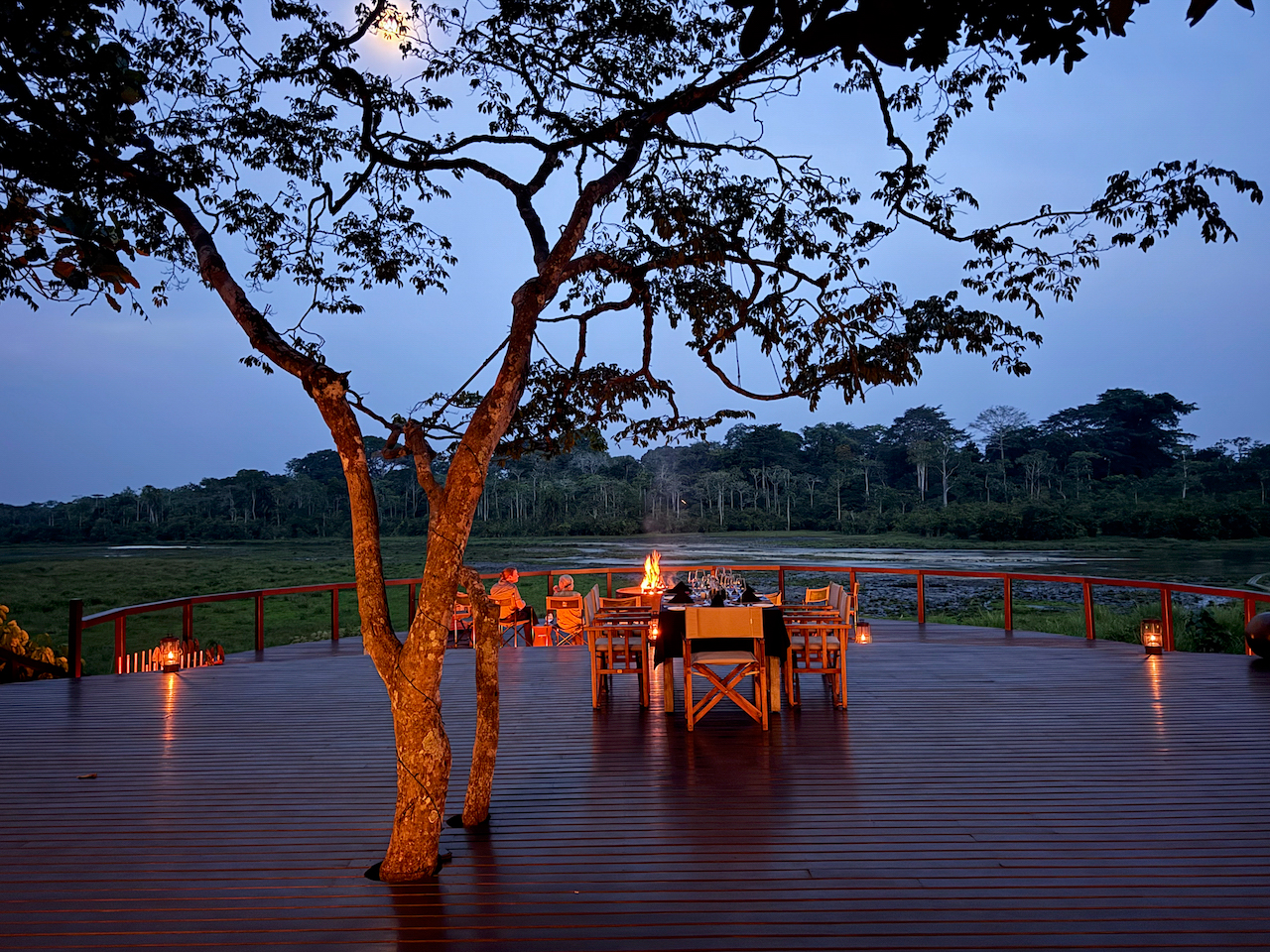
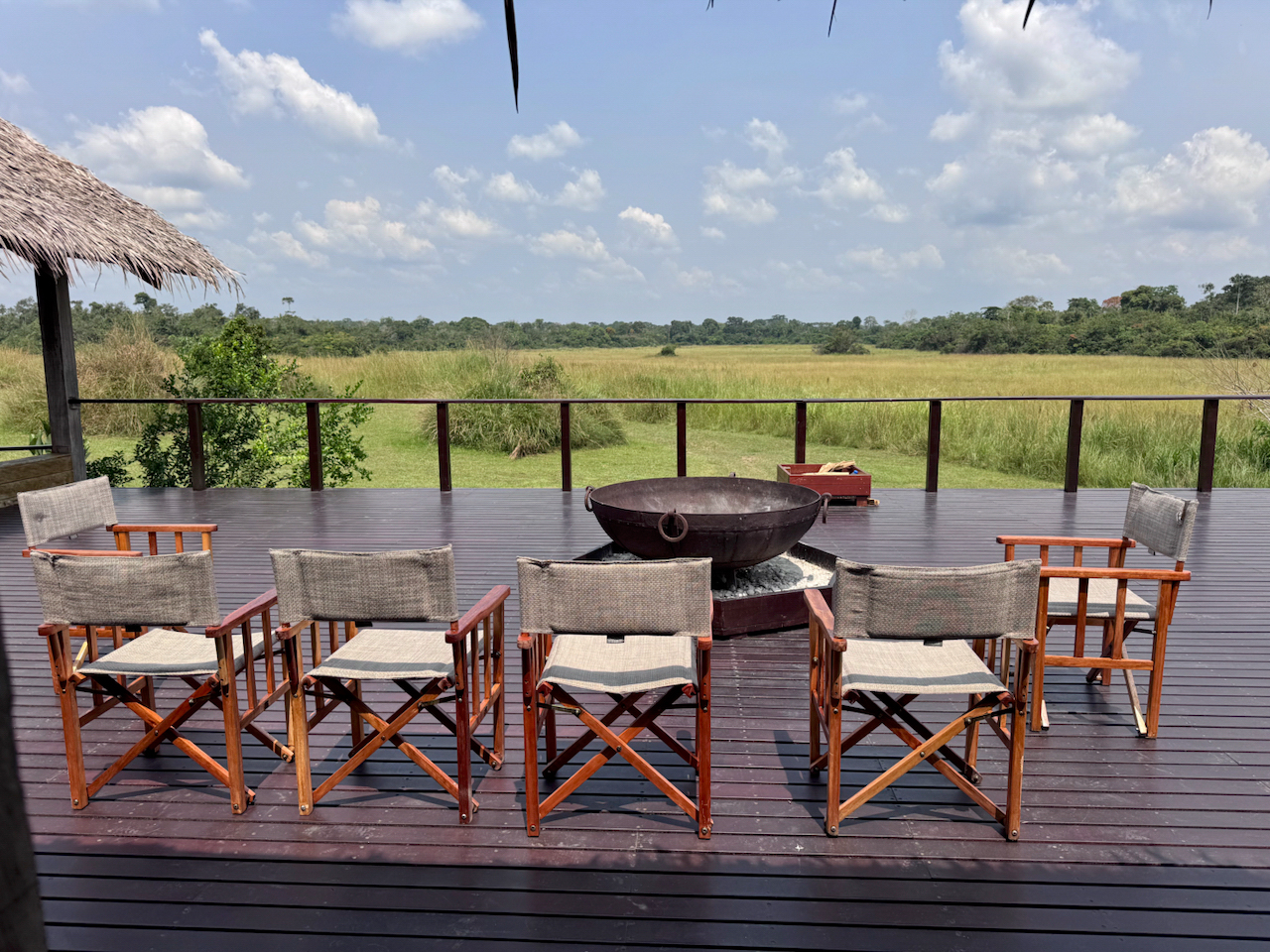
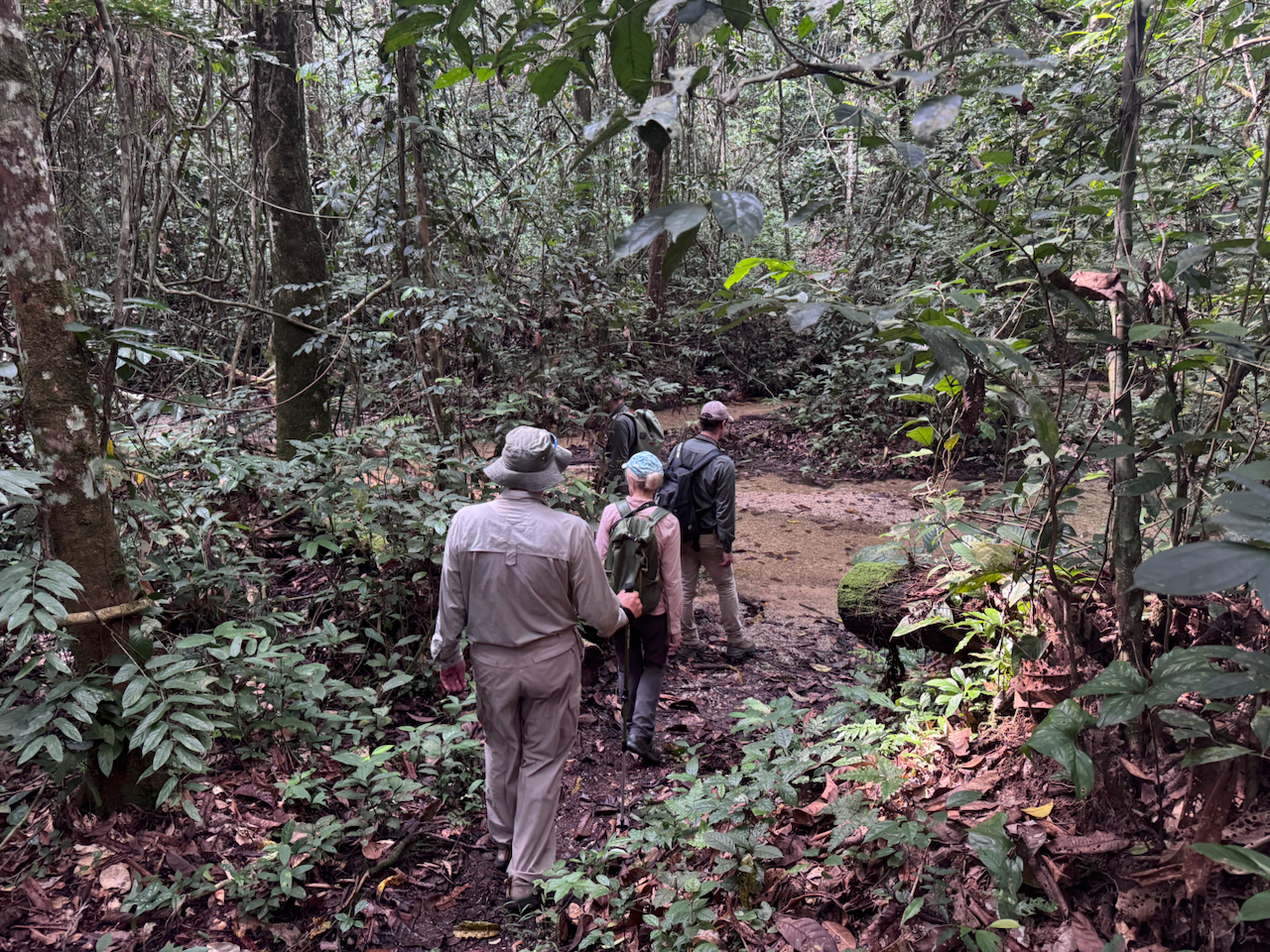
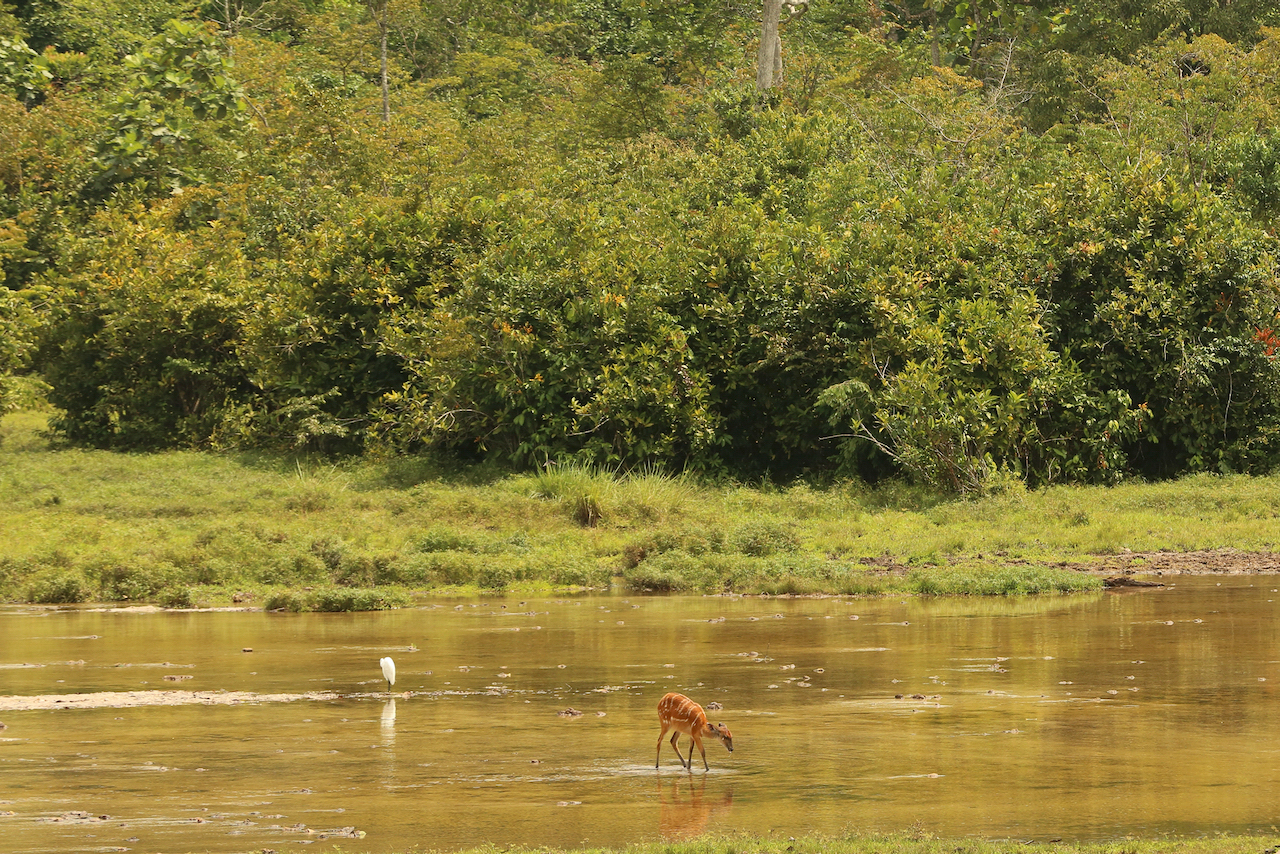
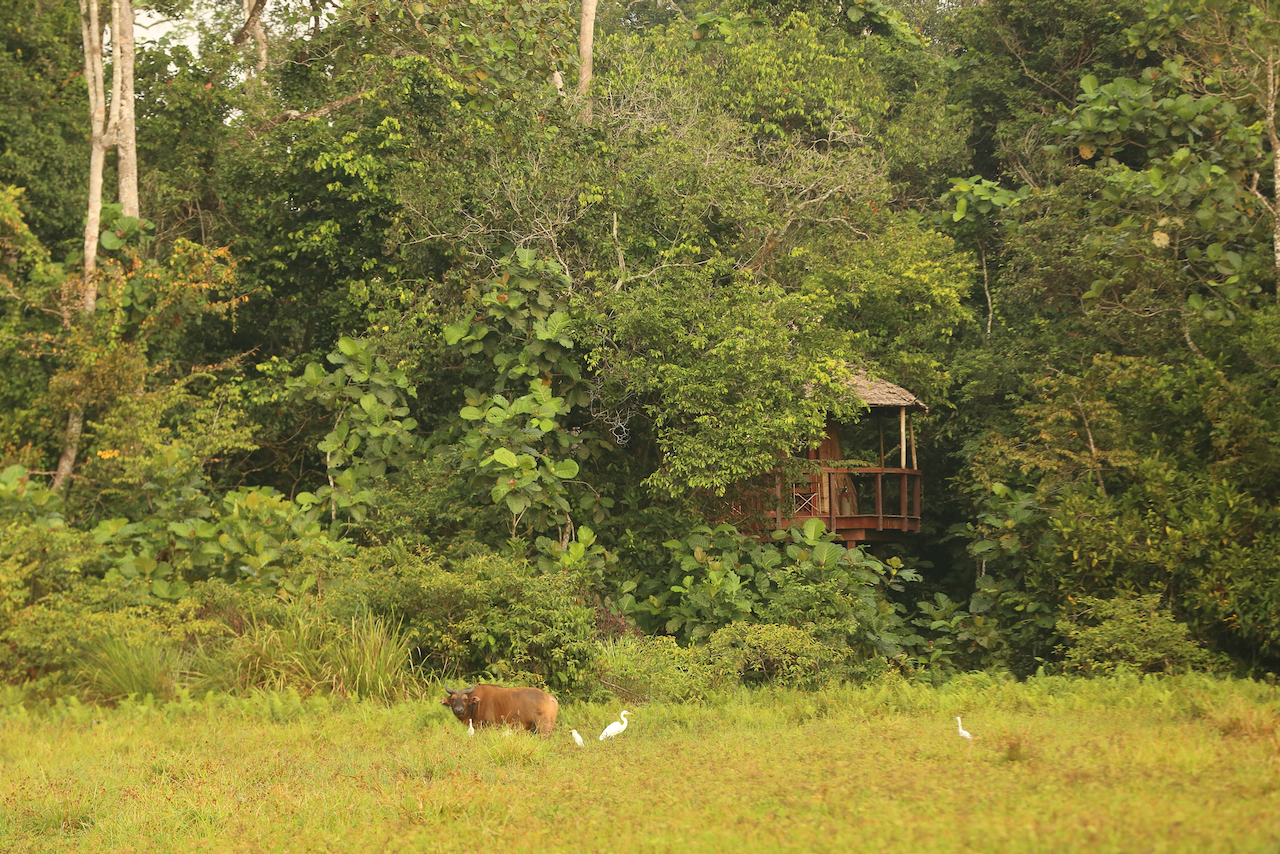
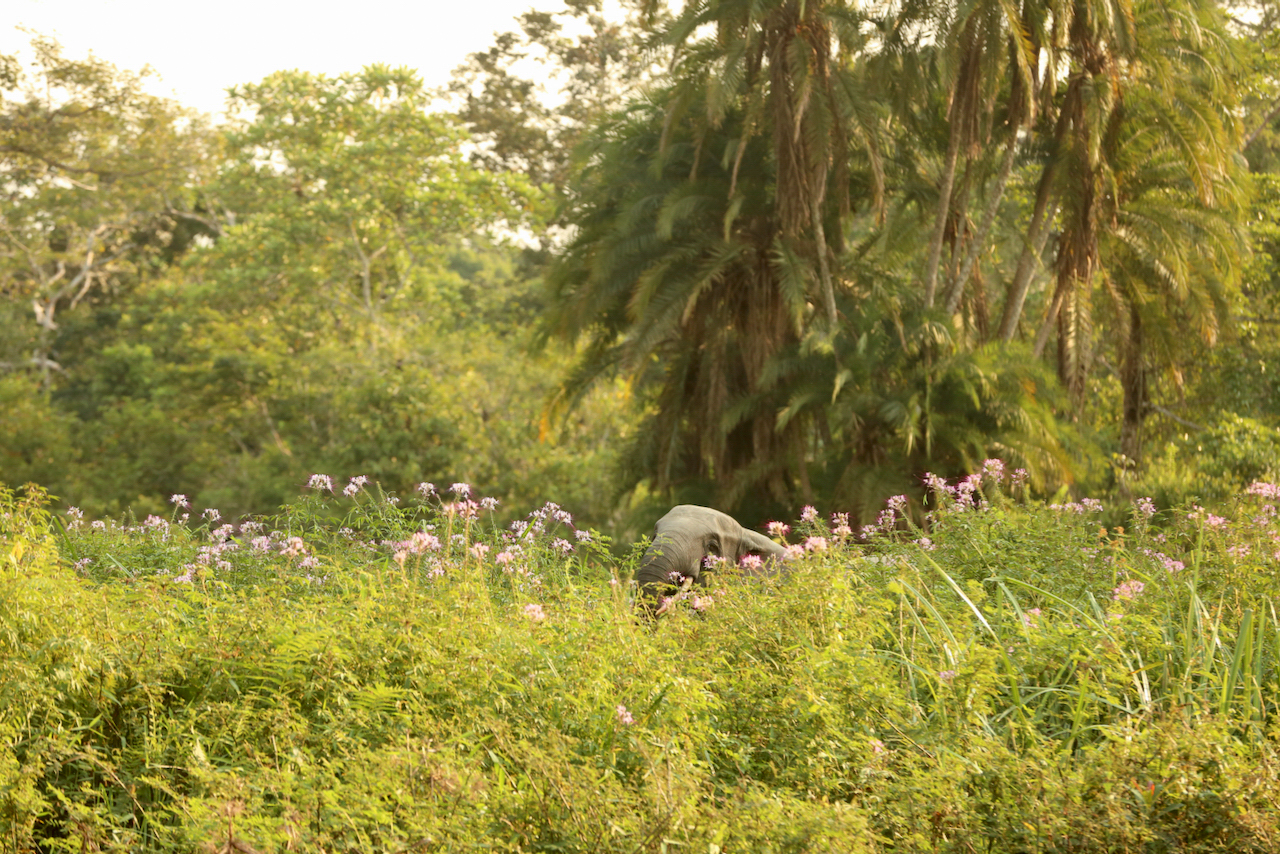
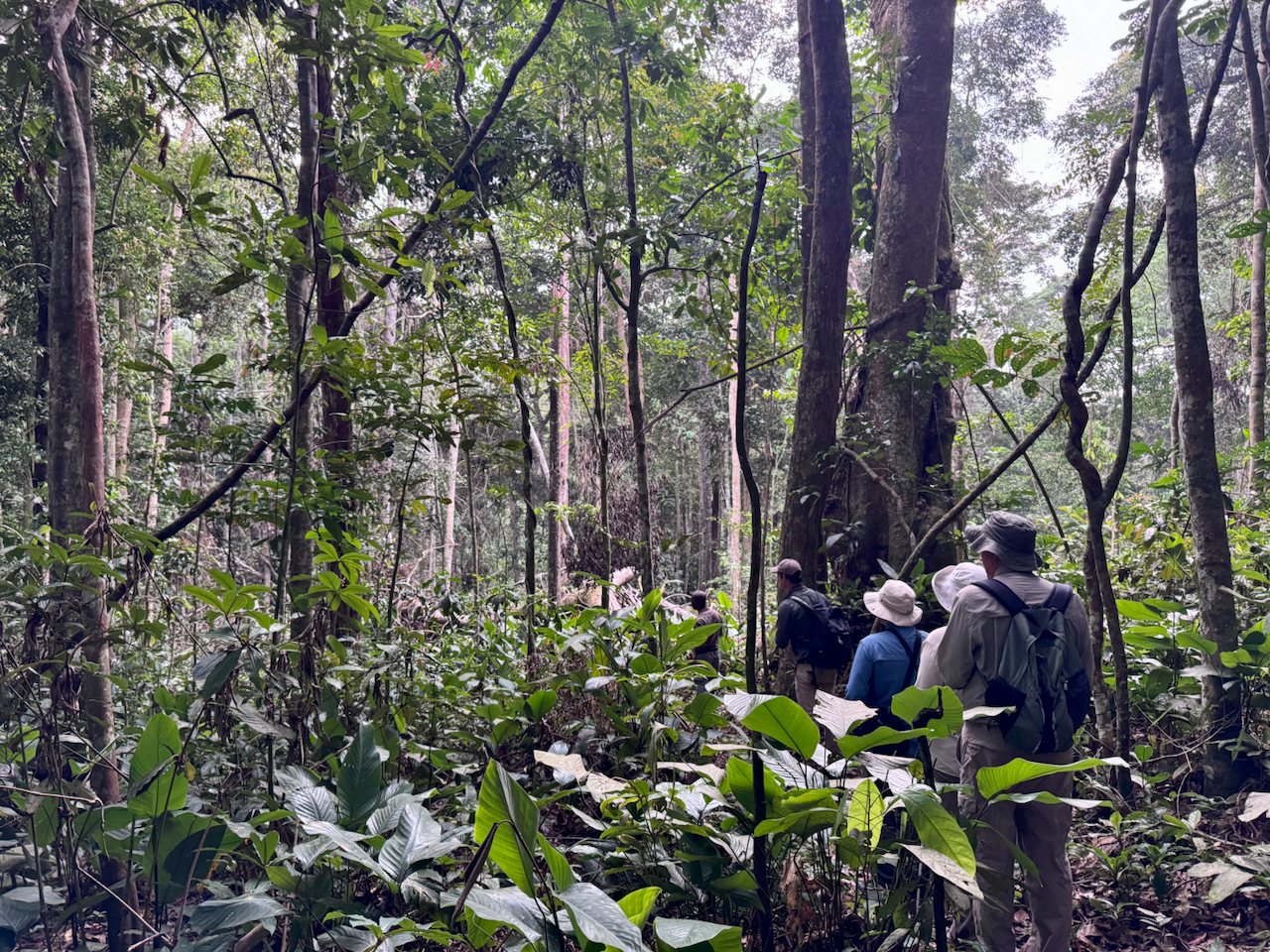
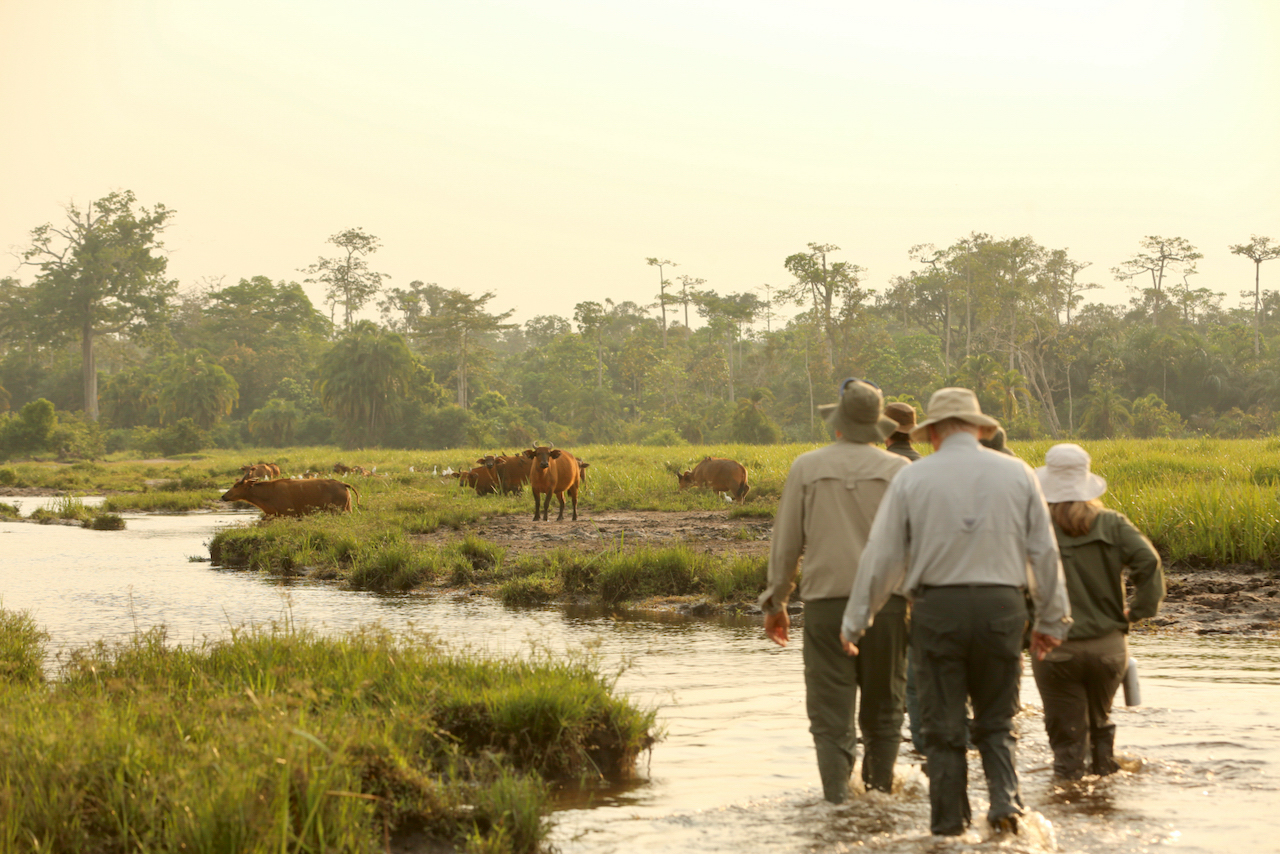
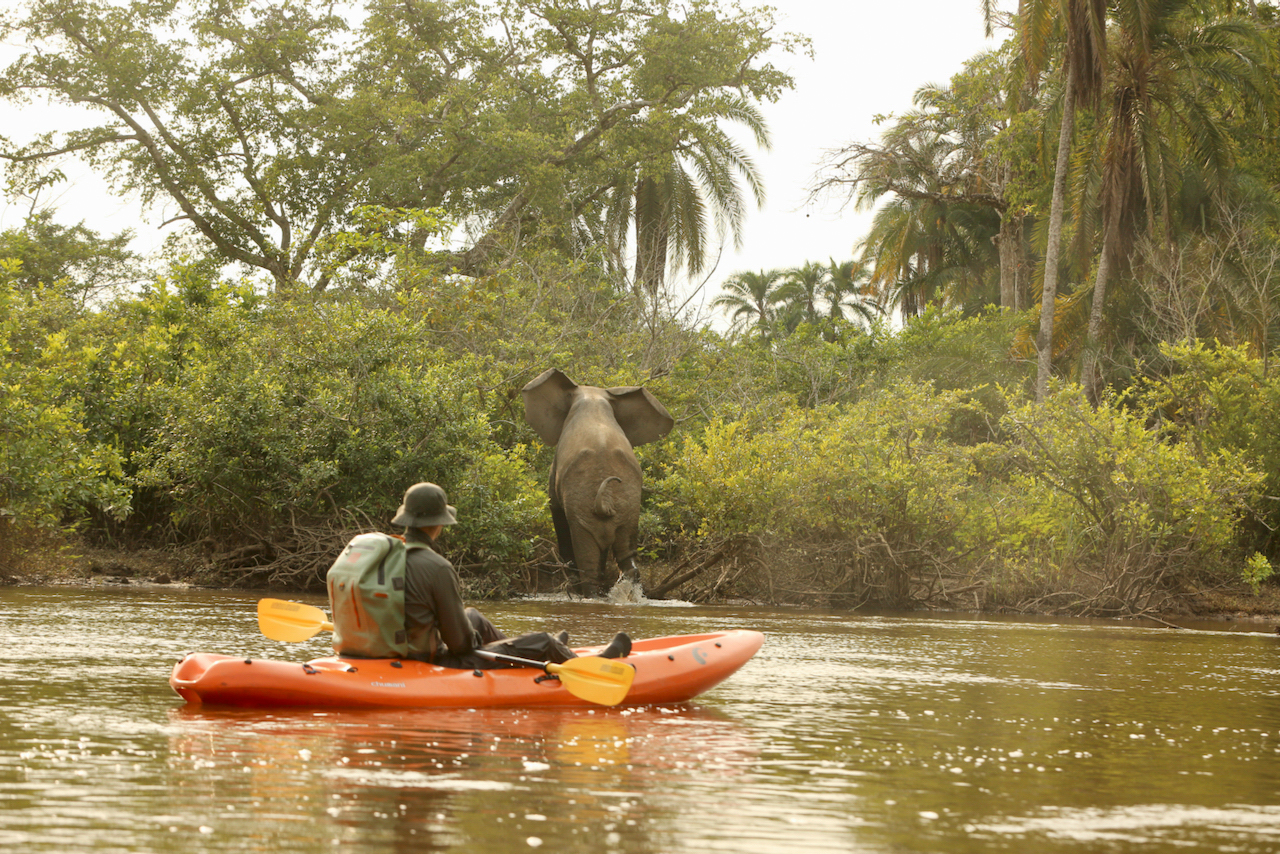
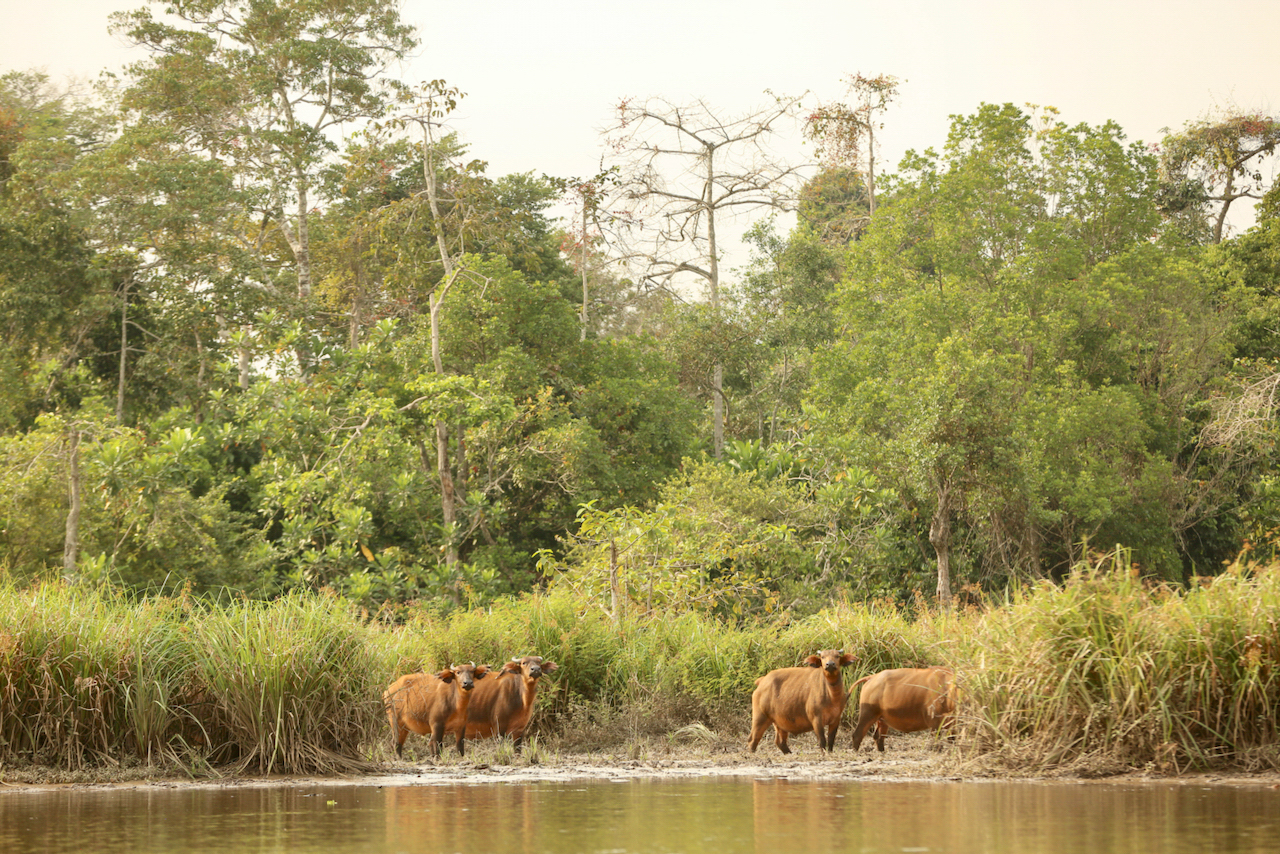
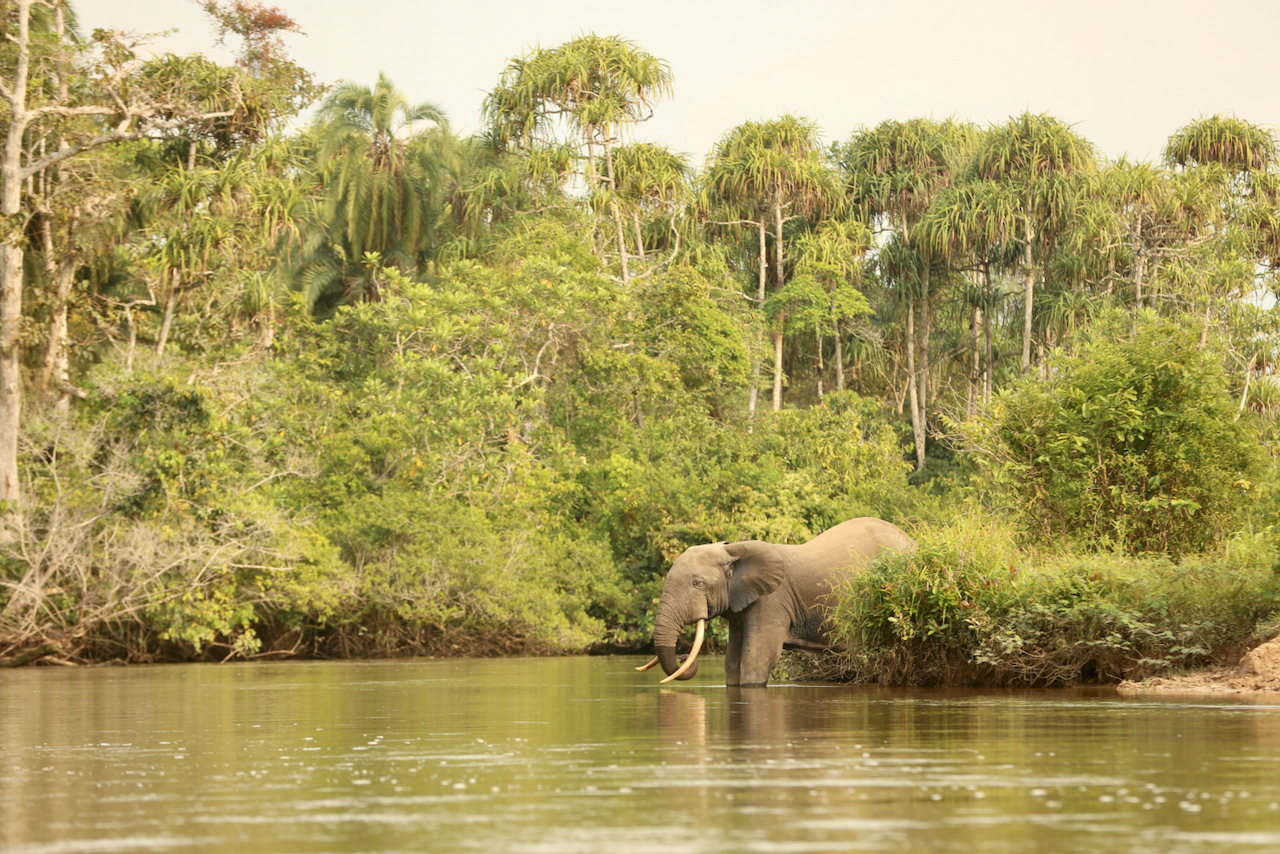
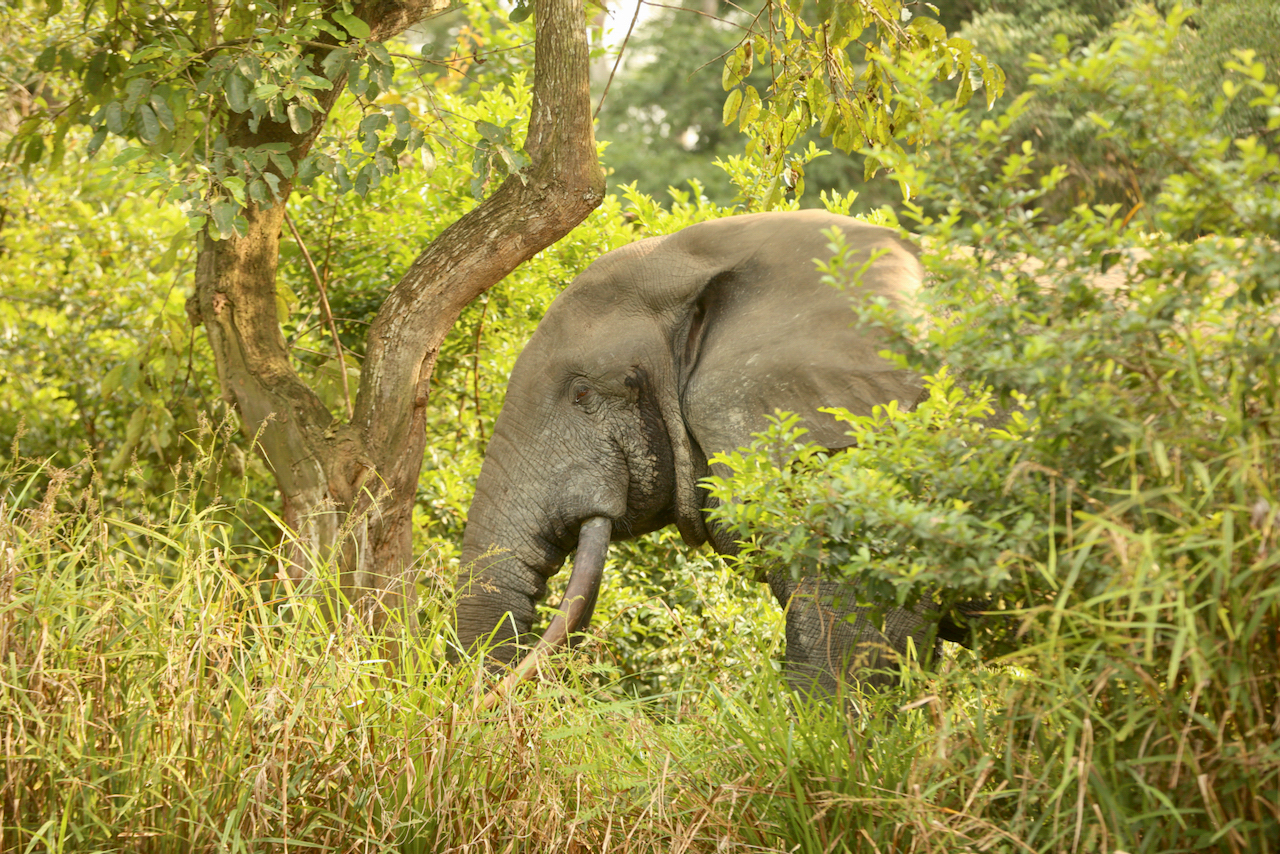
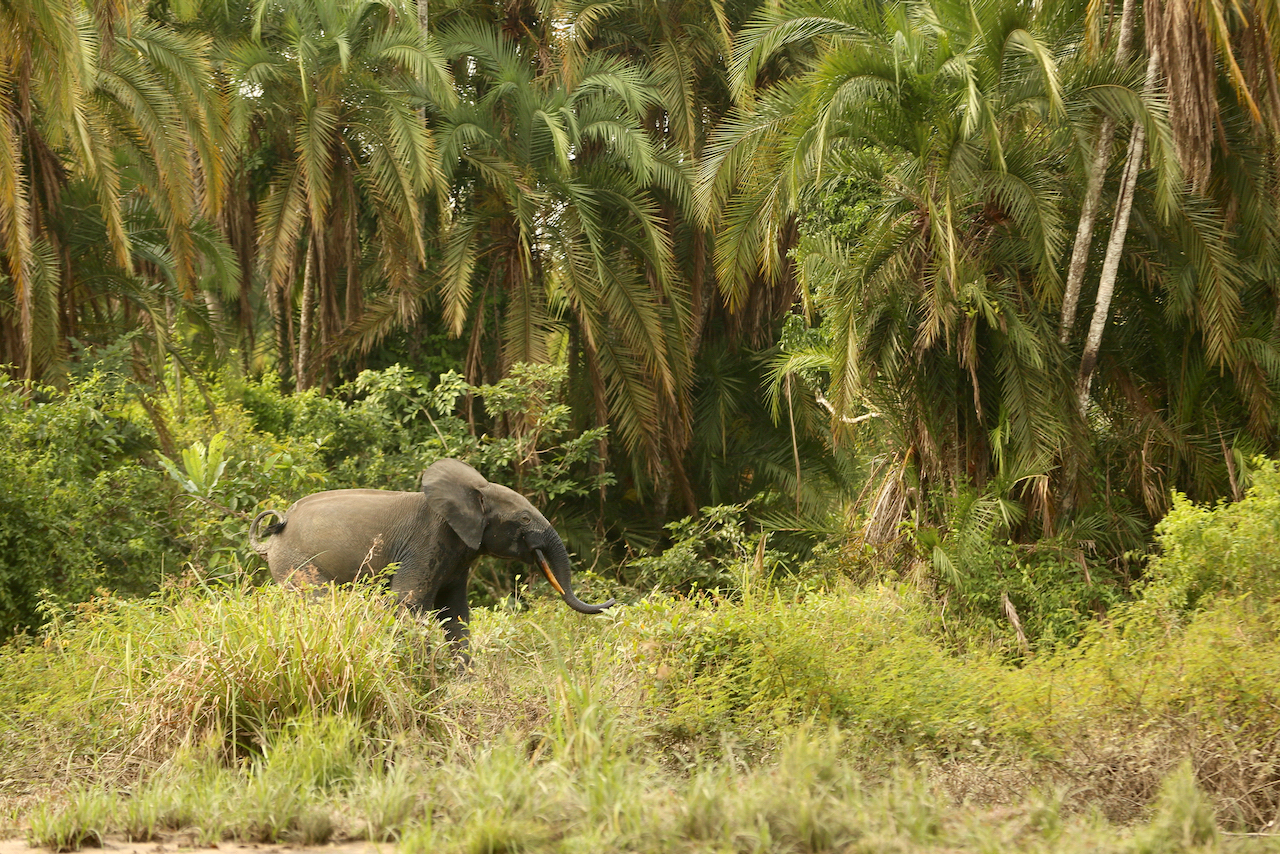
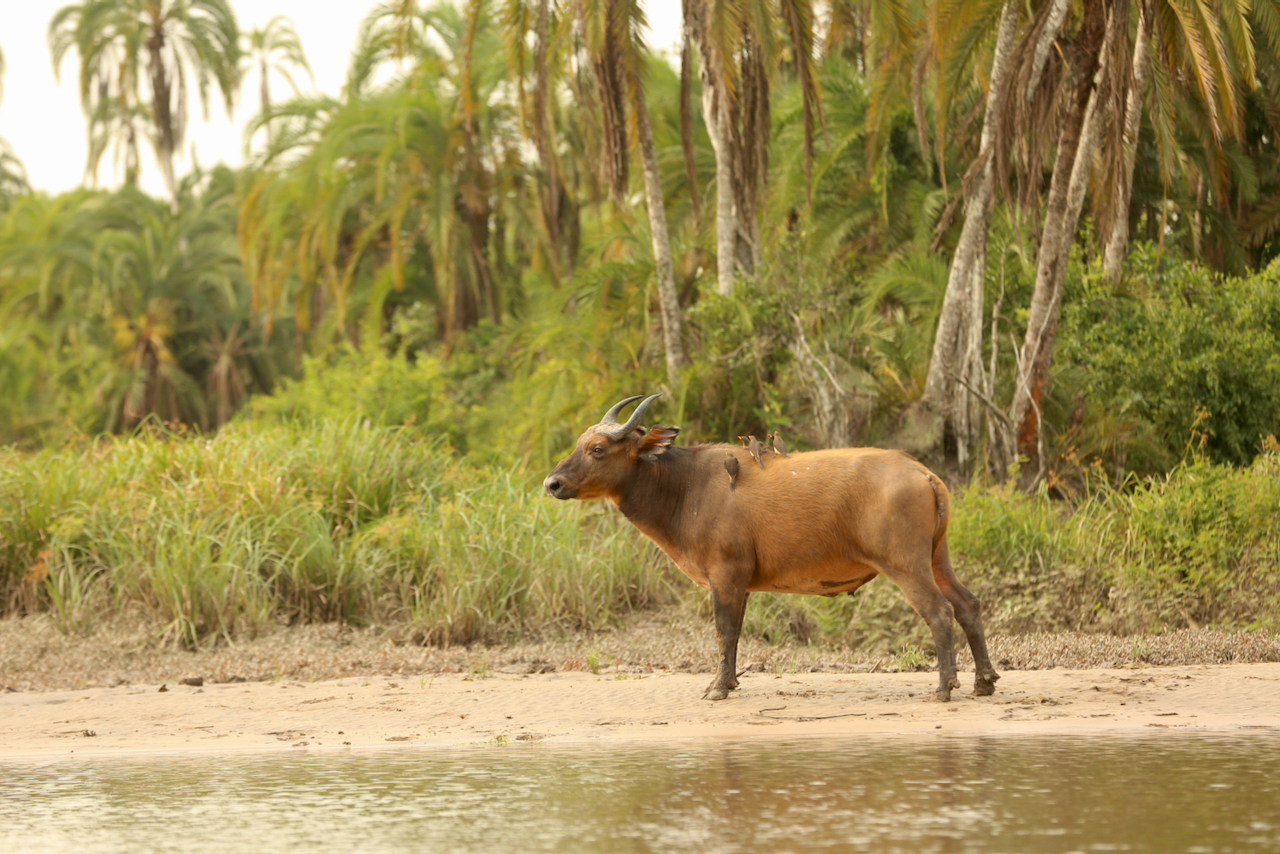
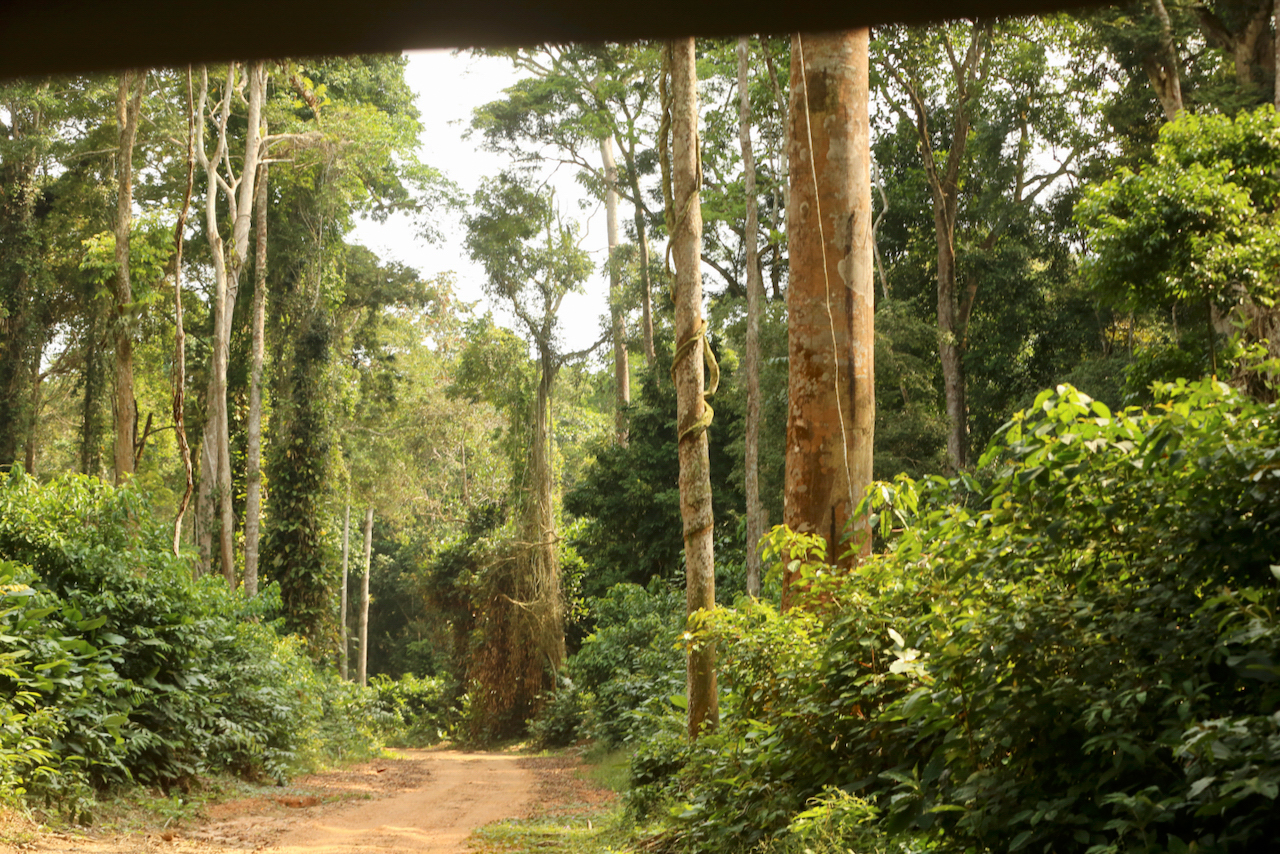
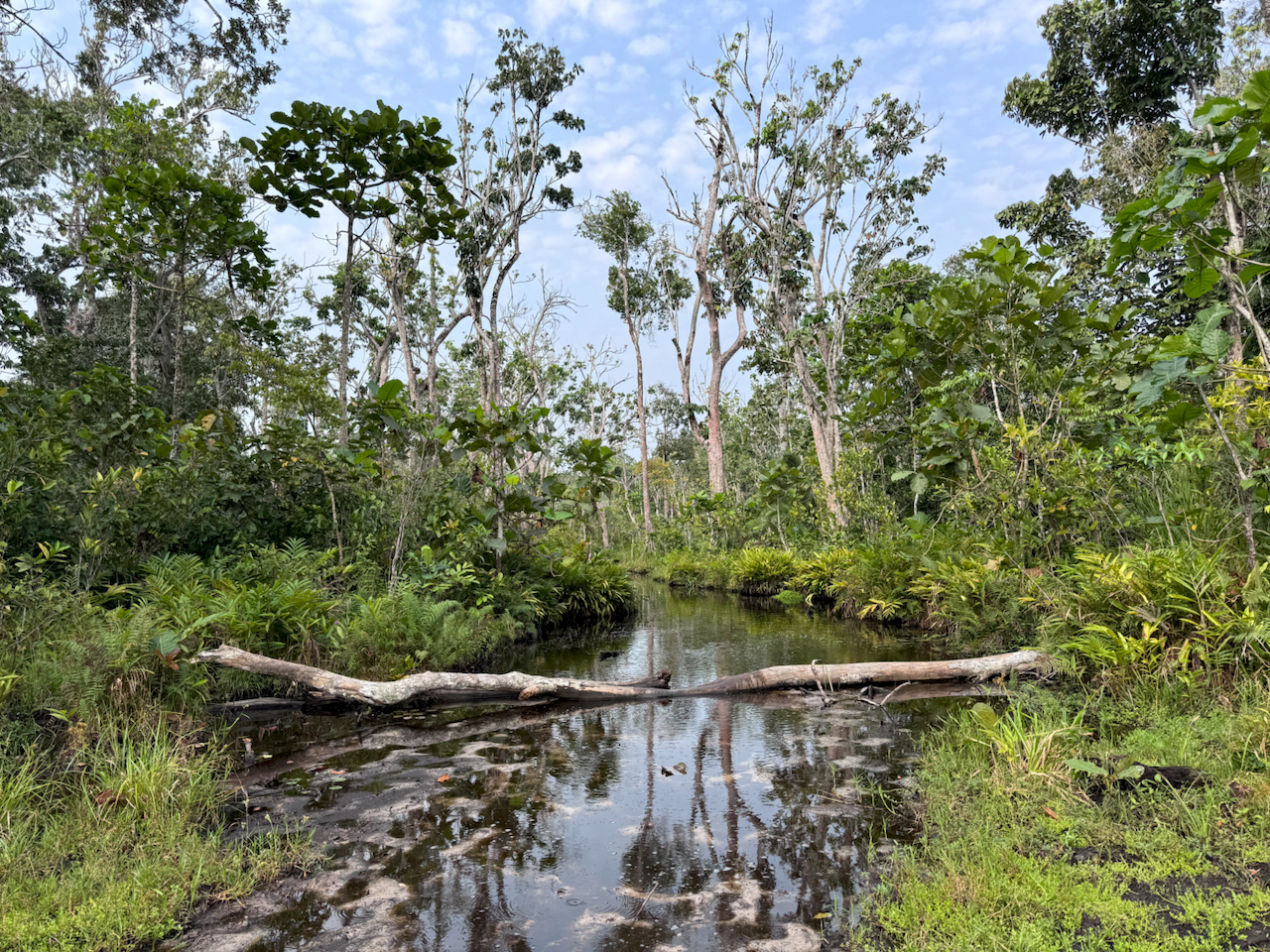
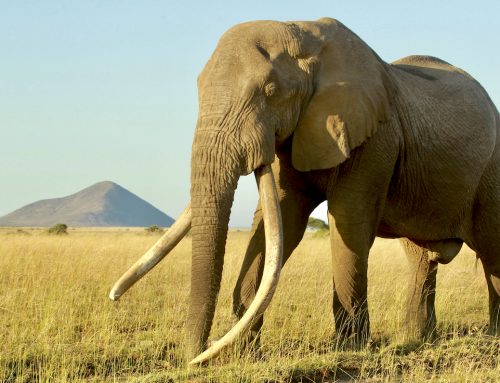
Odzala is vast and hard to reach, and for Dave it was a privilege to be in this remote virgin rainforest – a low-altitude jungle, utterly unlike the montane forests of Rwanda and Uganda. The Congo rainforest, second only to the Amazon, is characterized by light-stealing giants dominating the canopy, with layers of vegetation beneath all competing for the little light that filters through. Ground-level plants are sparse except where a fallen tree, riverbank or open glade – called a bai – allows light to penetrate. These conditions favour arboreal species: apes, monkeys and birds. Forest elephants thrive here thanks to their size and reach. Forest buffalos depend on the bais, whose grasses and floodwaters they graze and trample, keeping the forest from reclaiming them. Bushbuck were spotted around camp and one afternoon, as Dave and his guests approached a bai, they glimpsed the swamp adapted sitatunga antelope as it slipped into the forest.
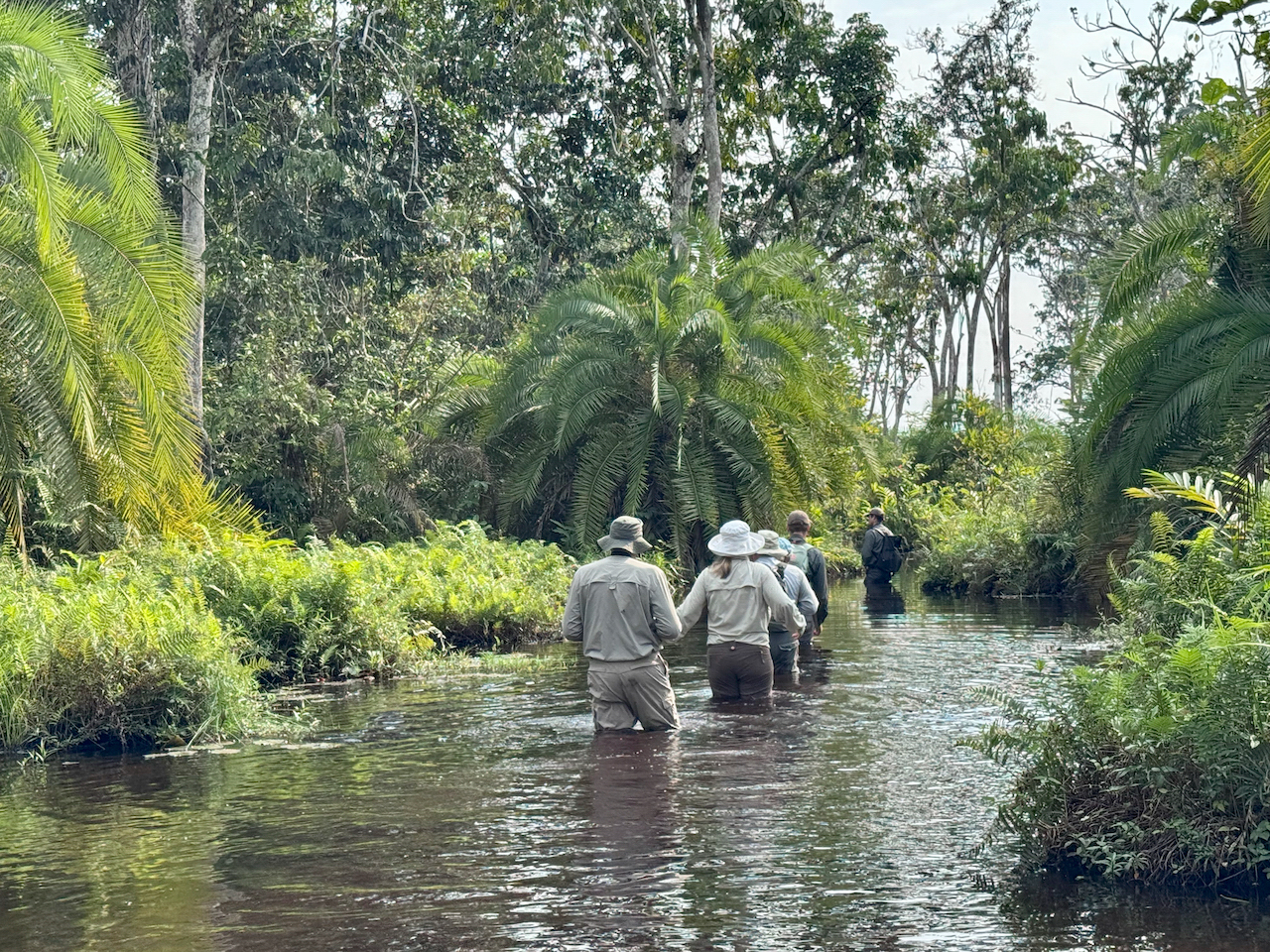
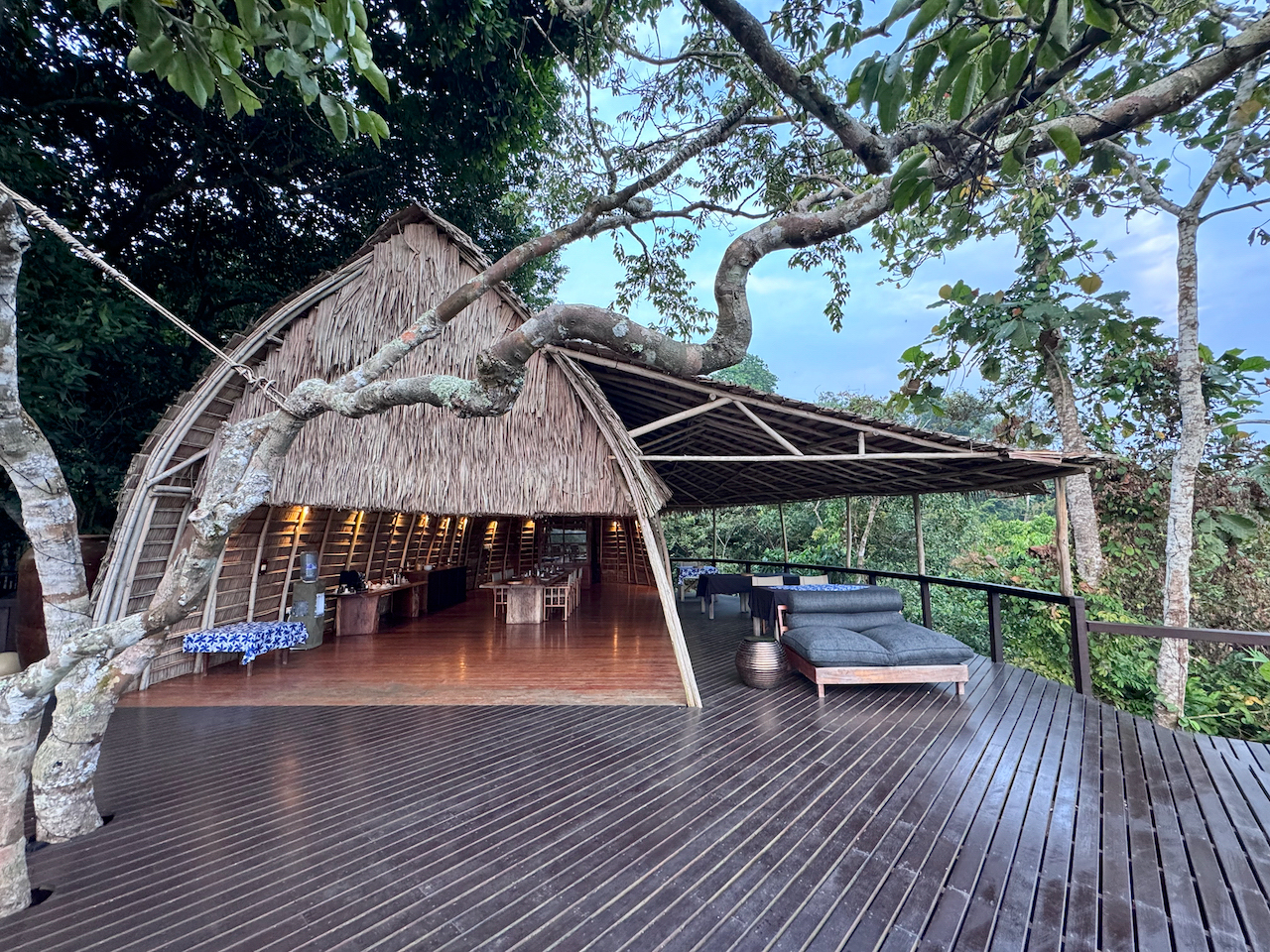
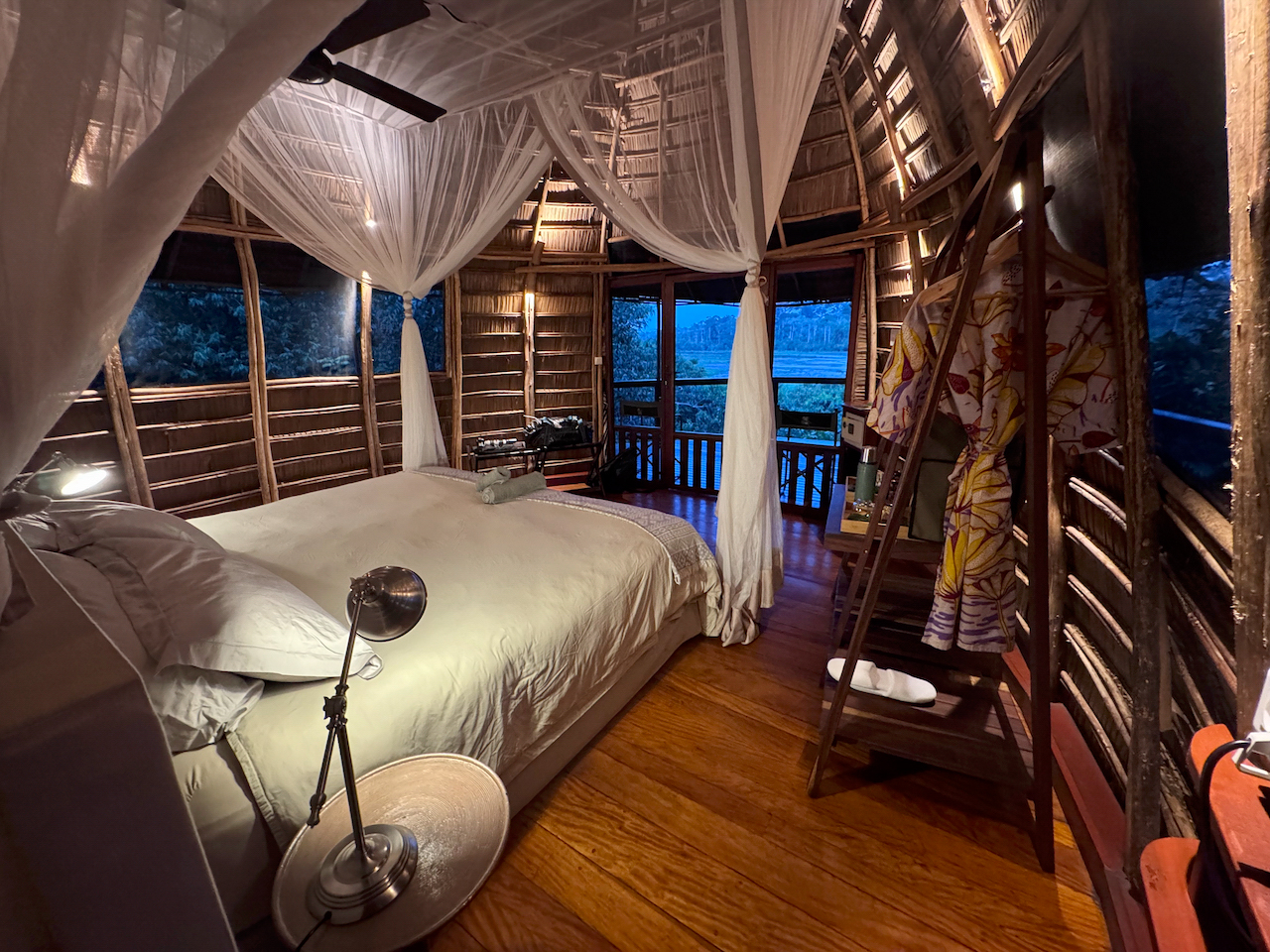
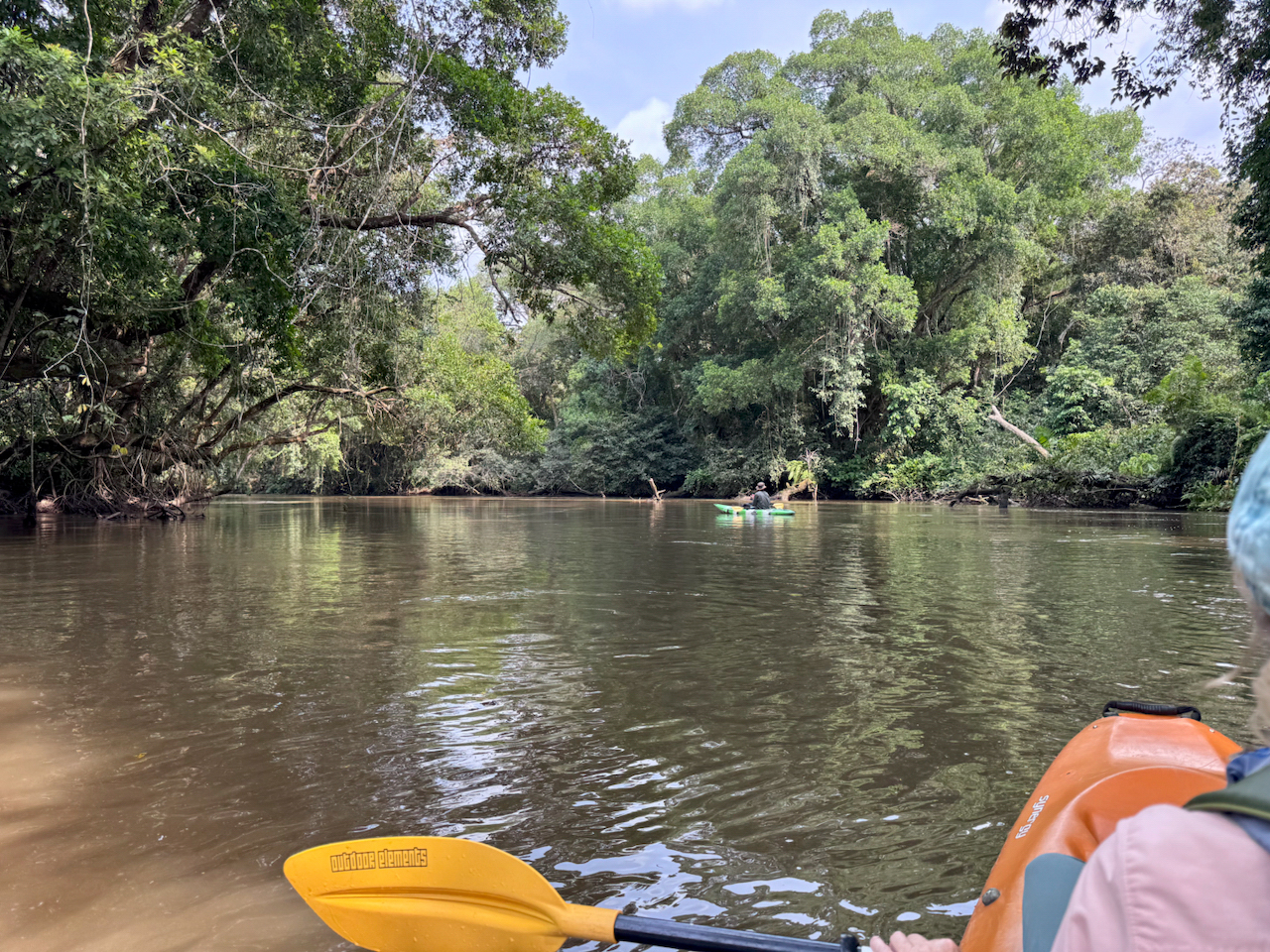
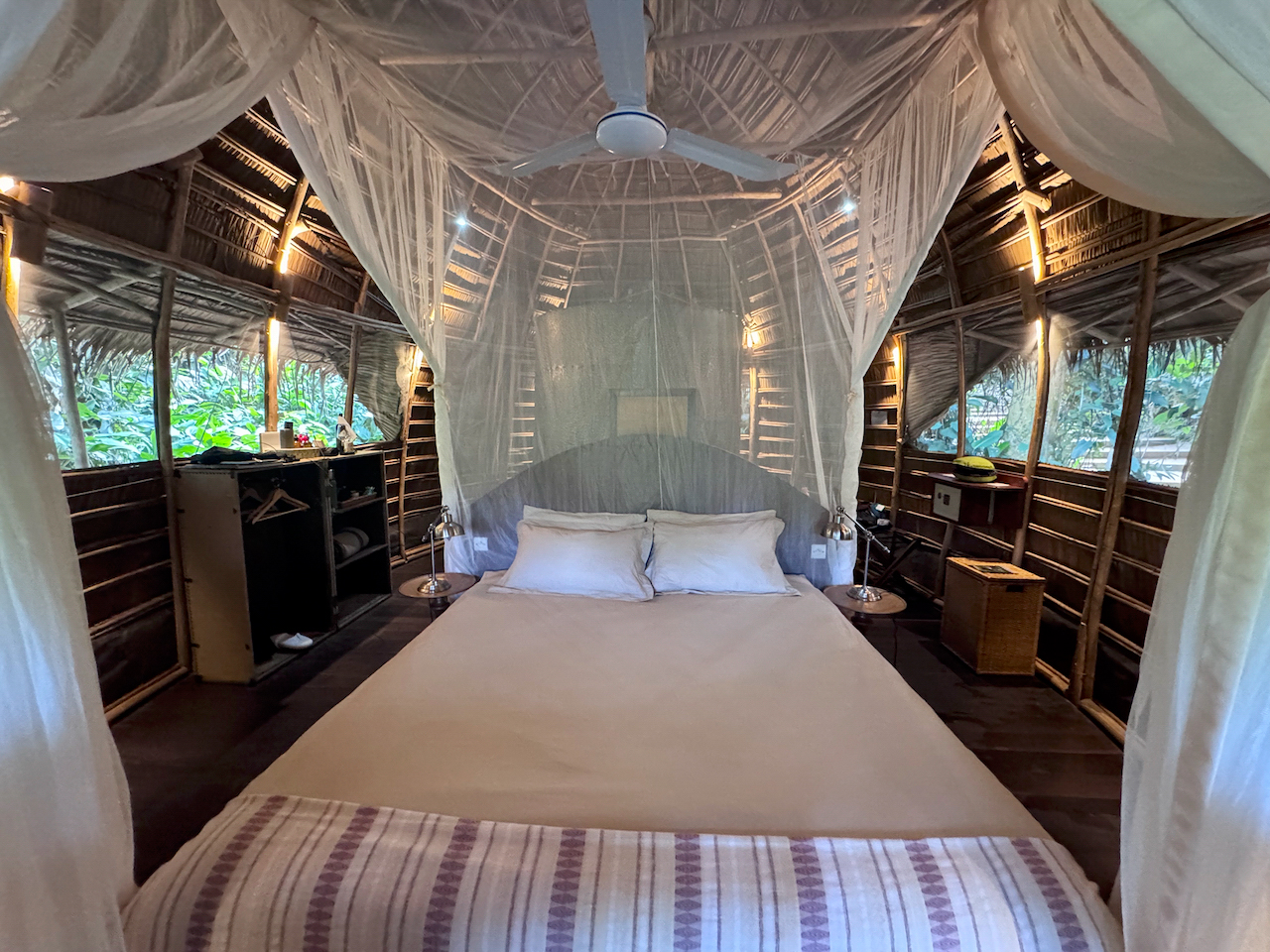
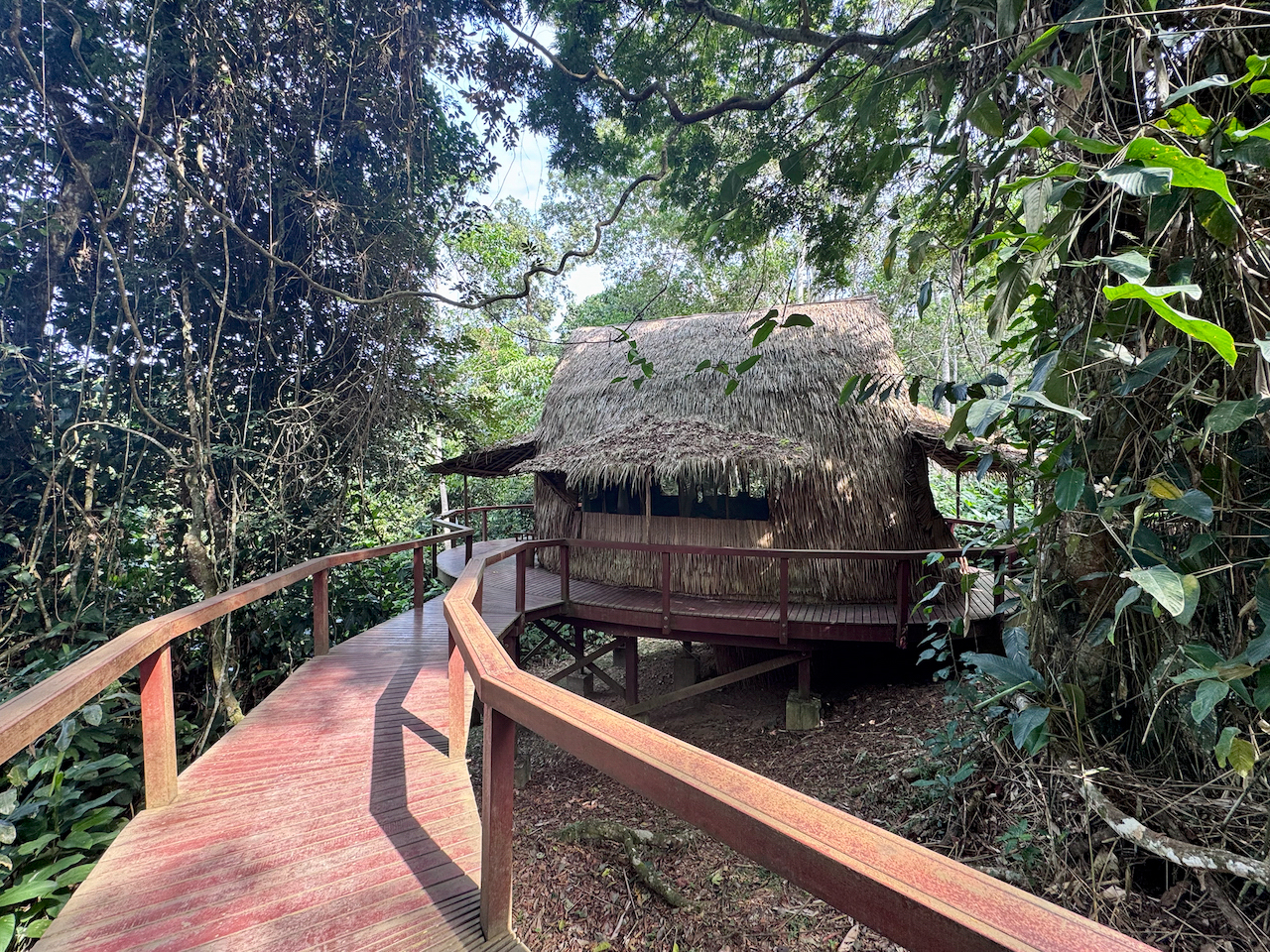
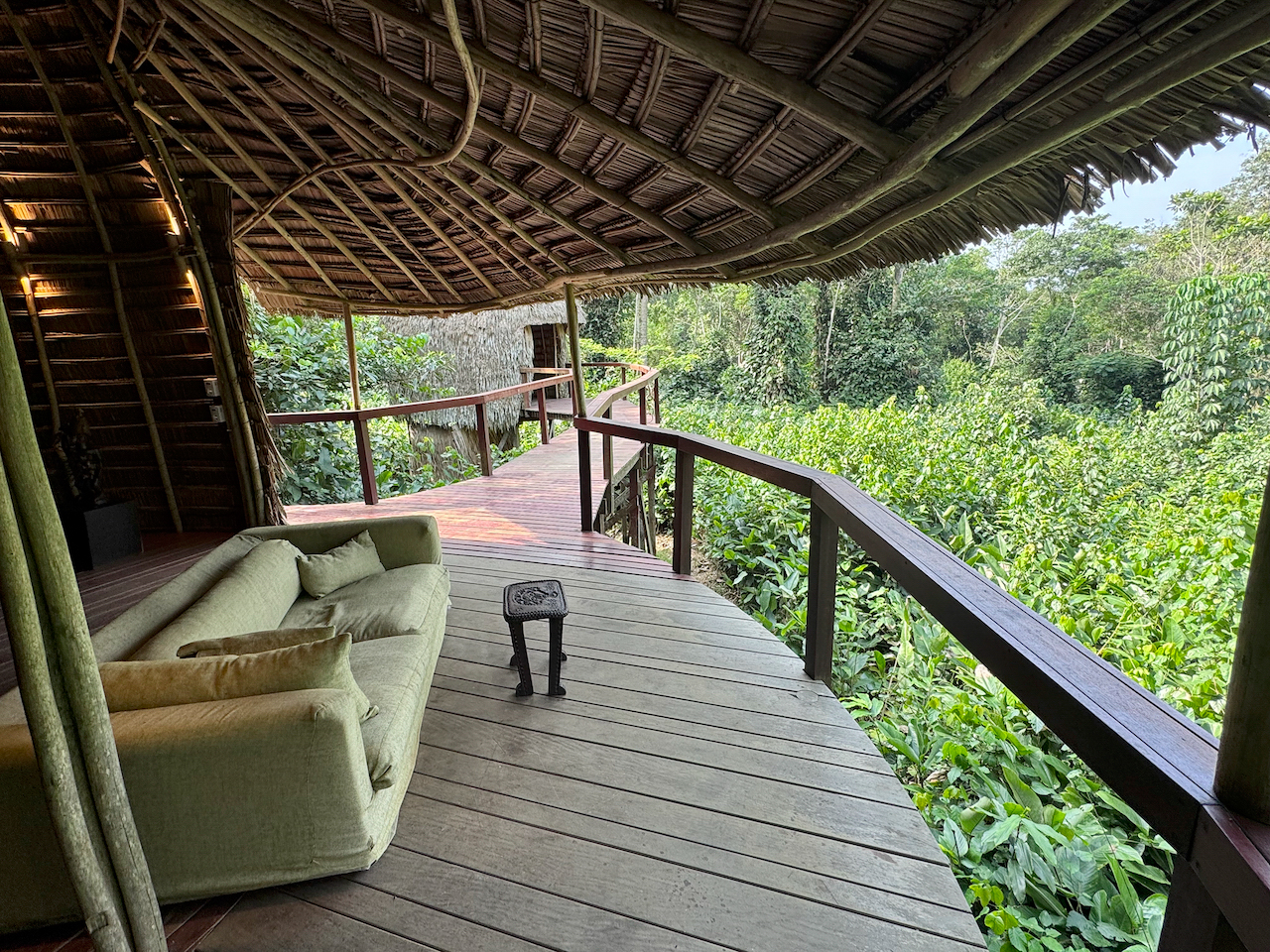
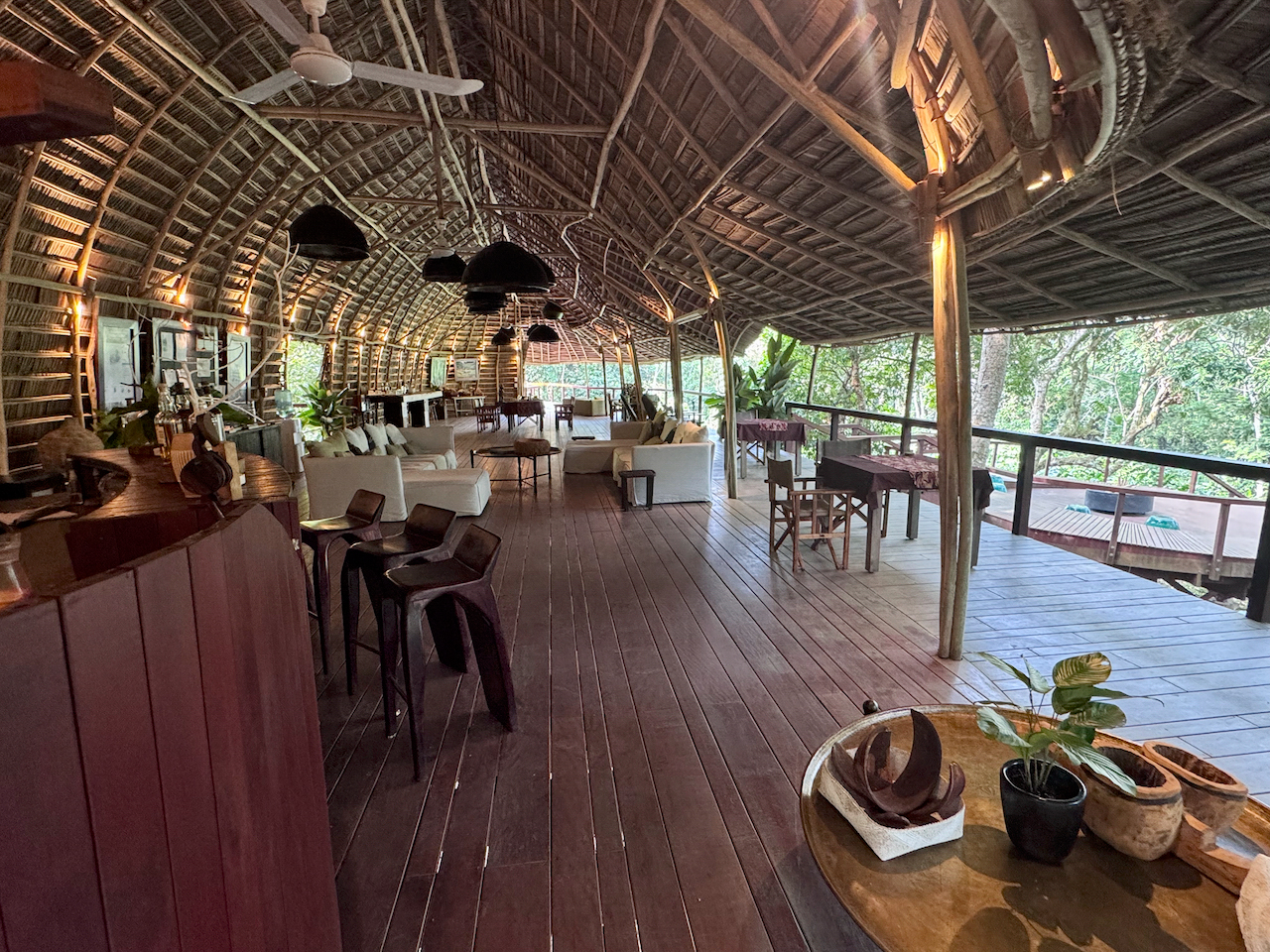
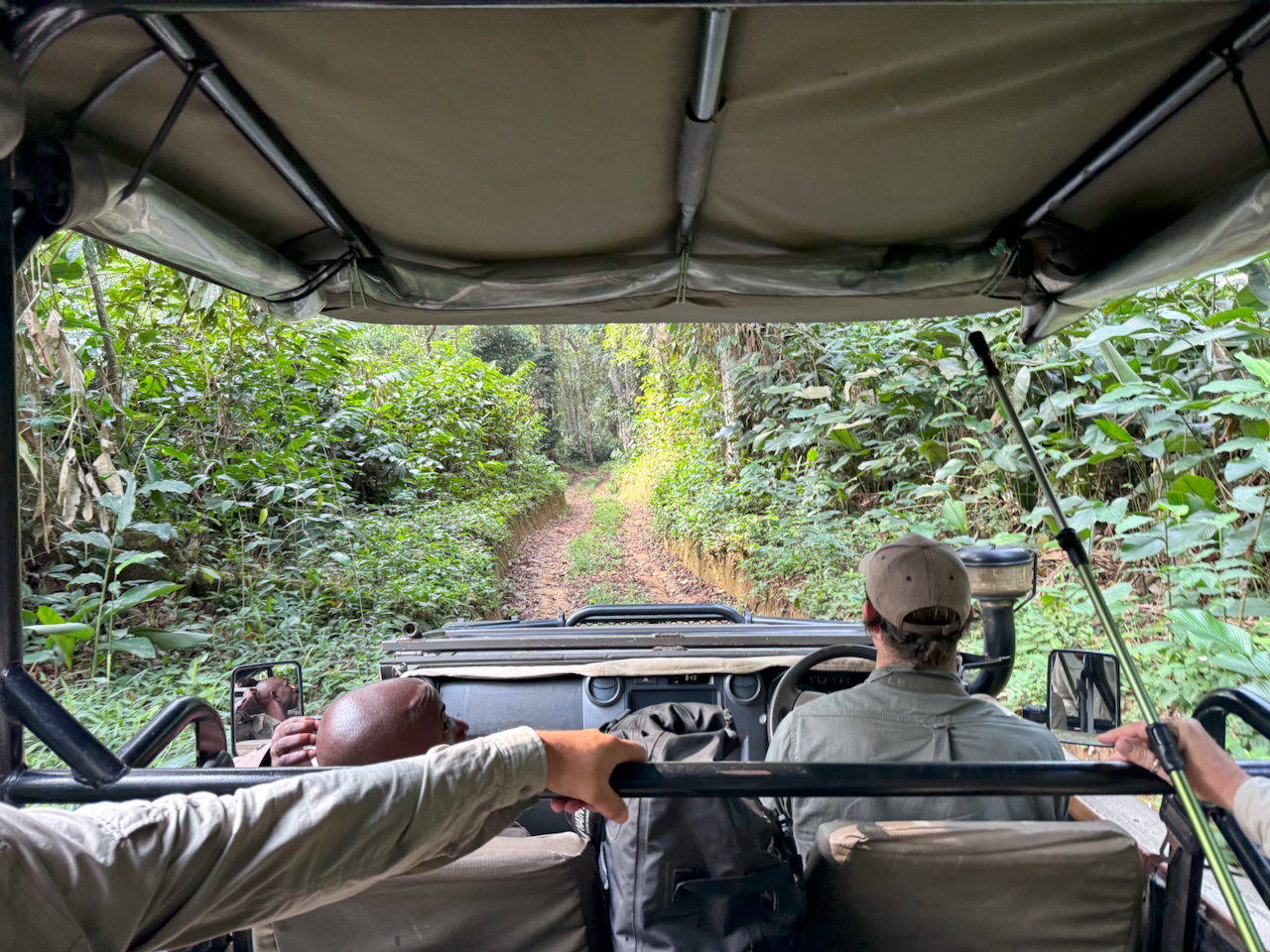
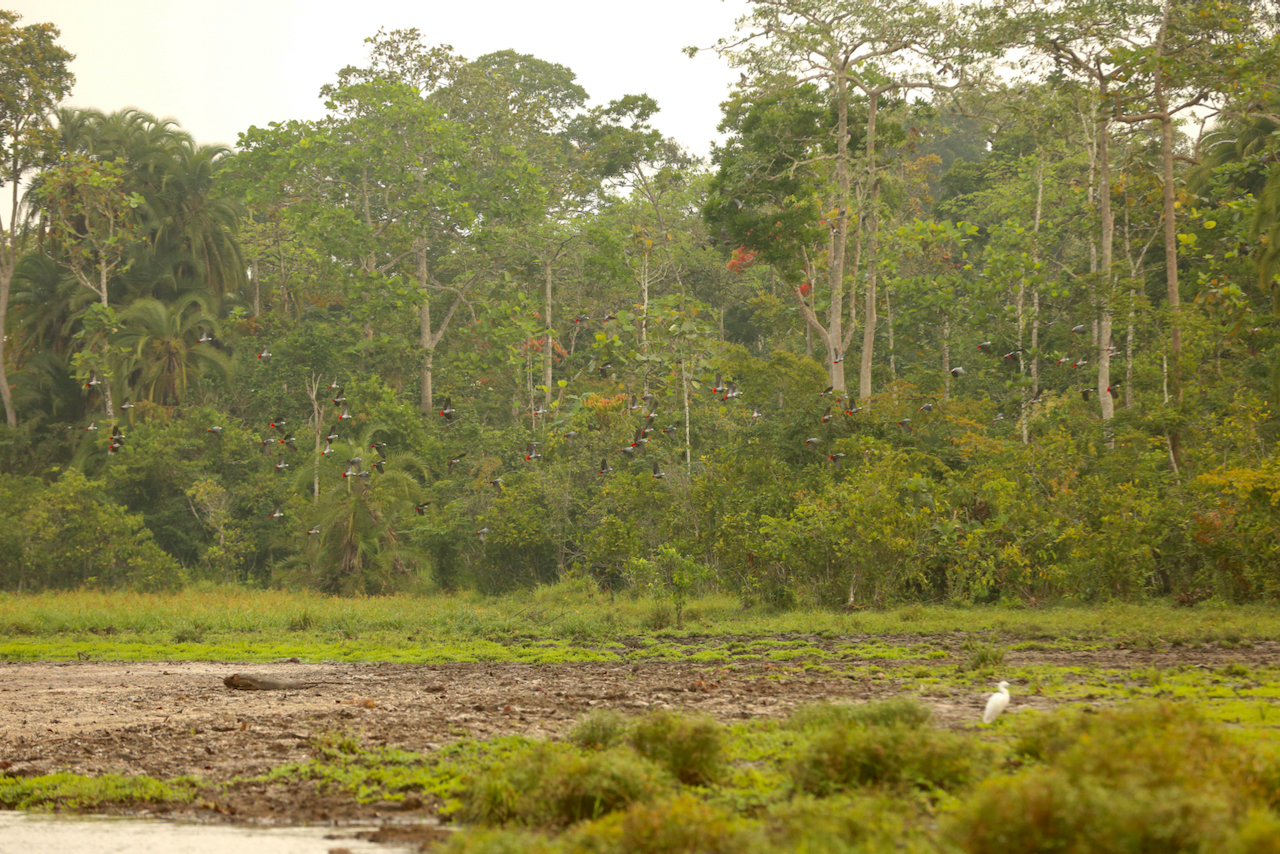
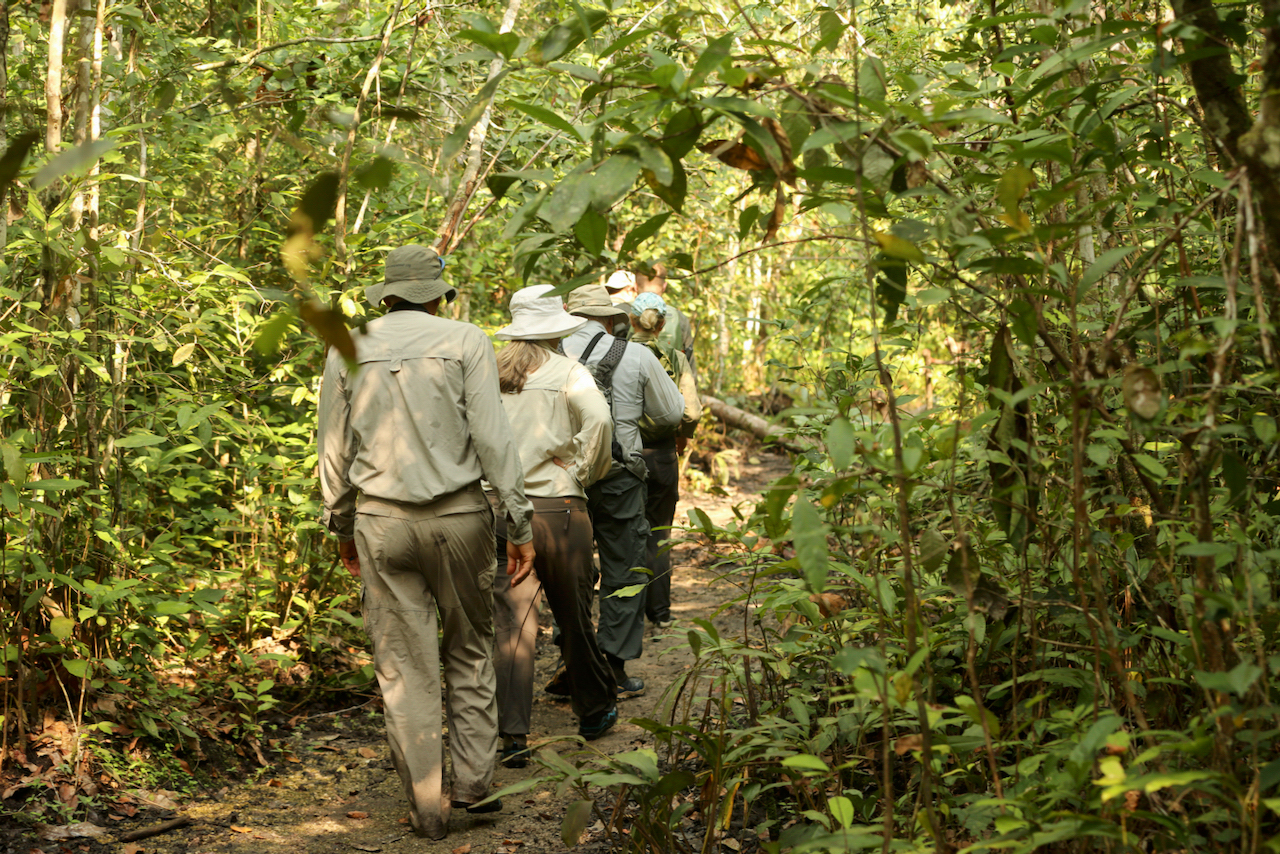
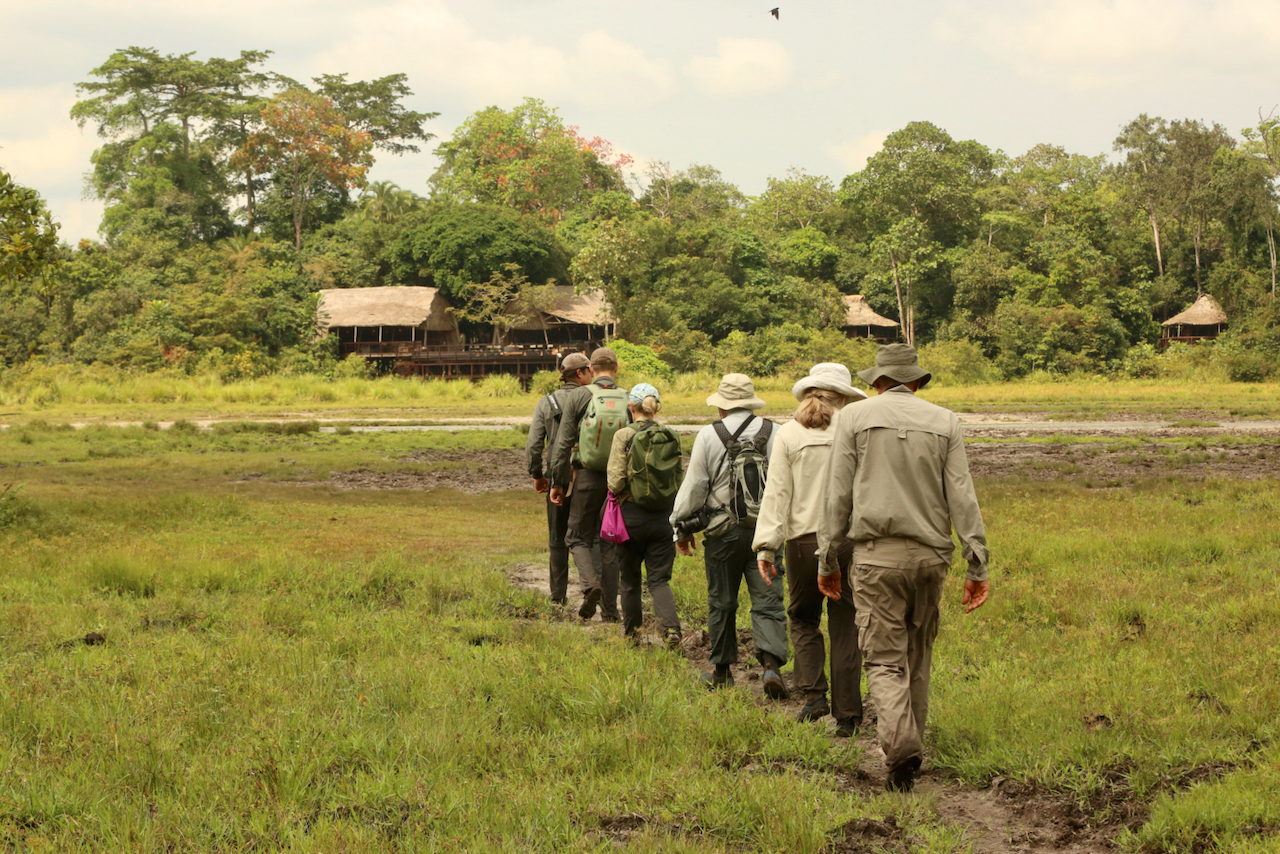
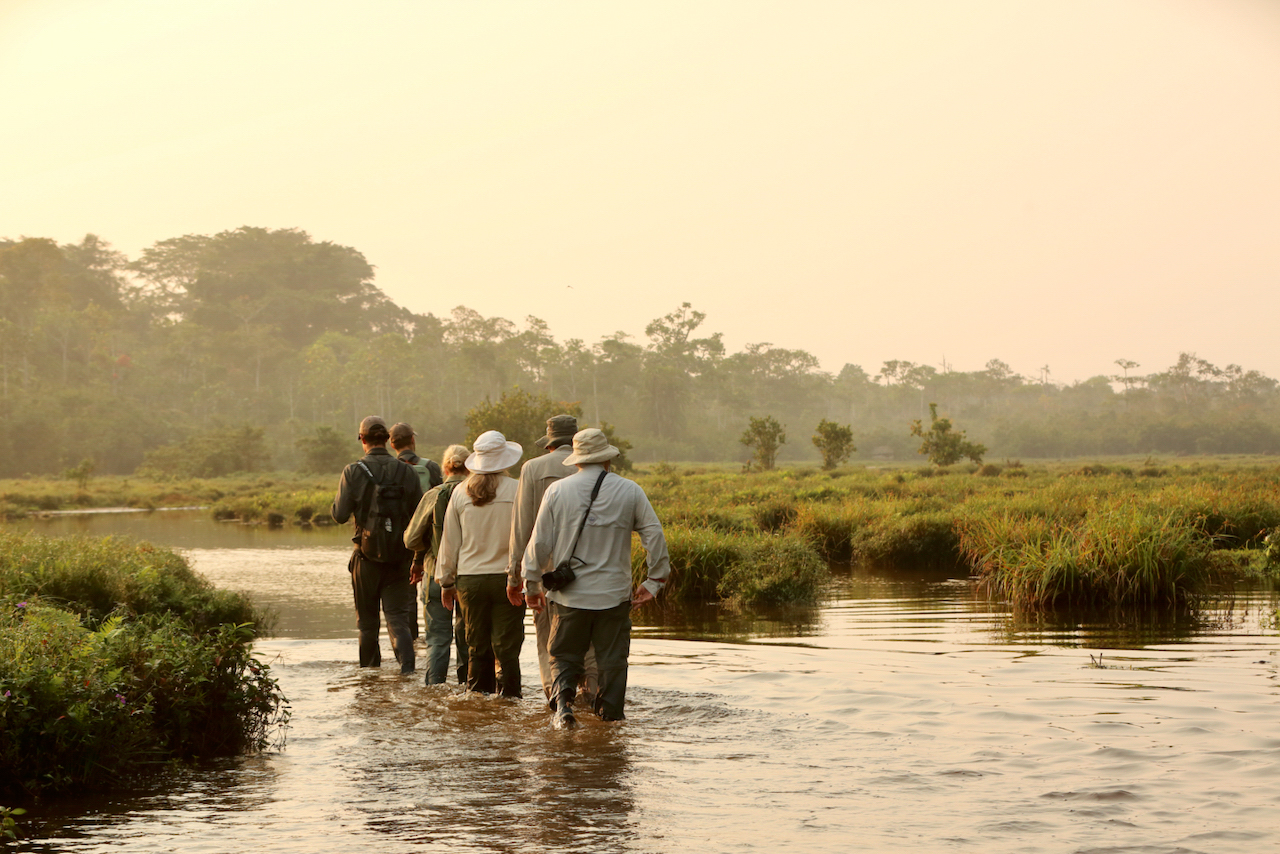
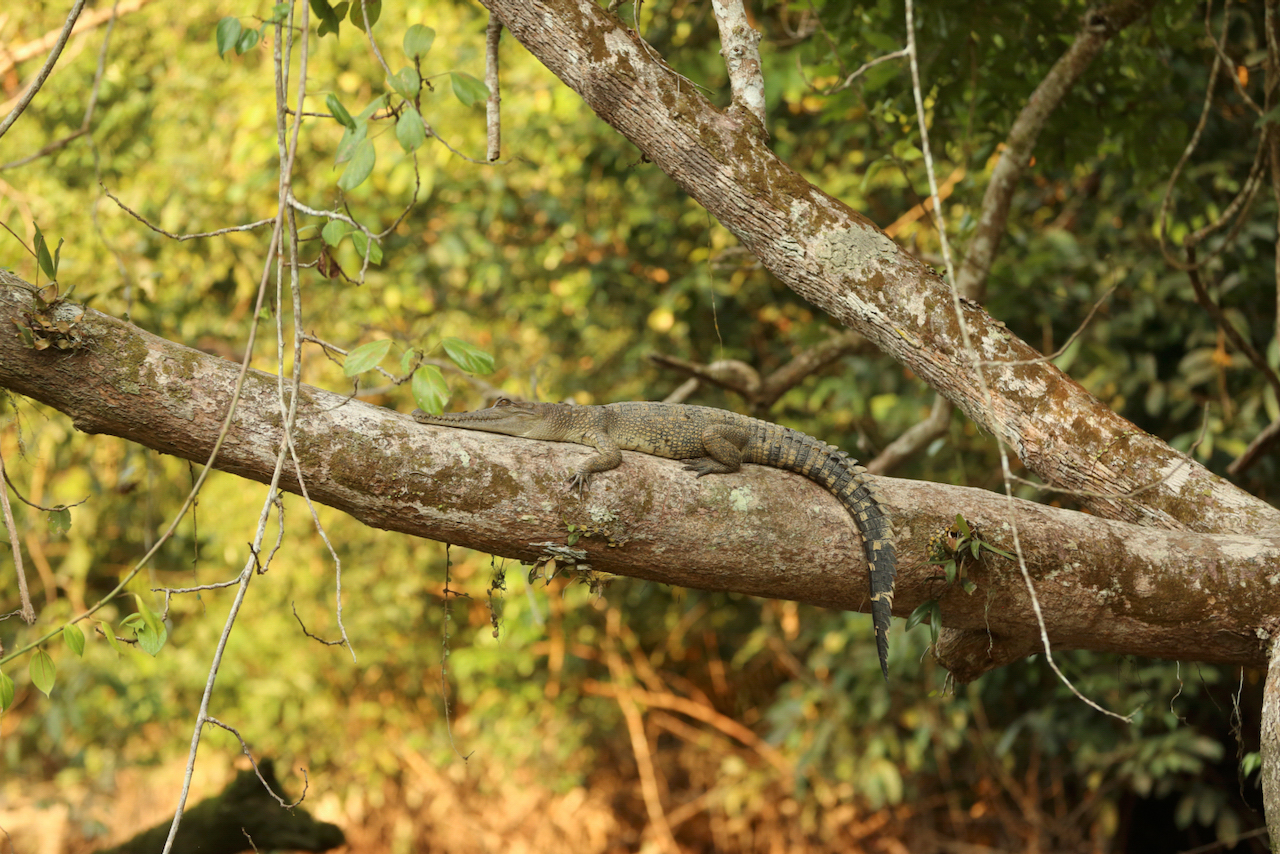
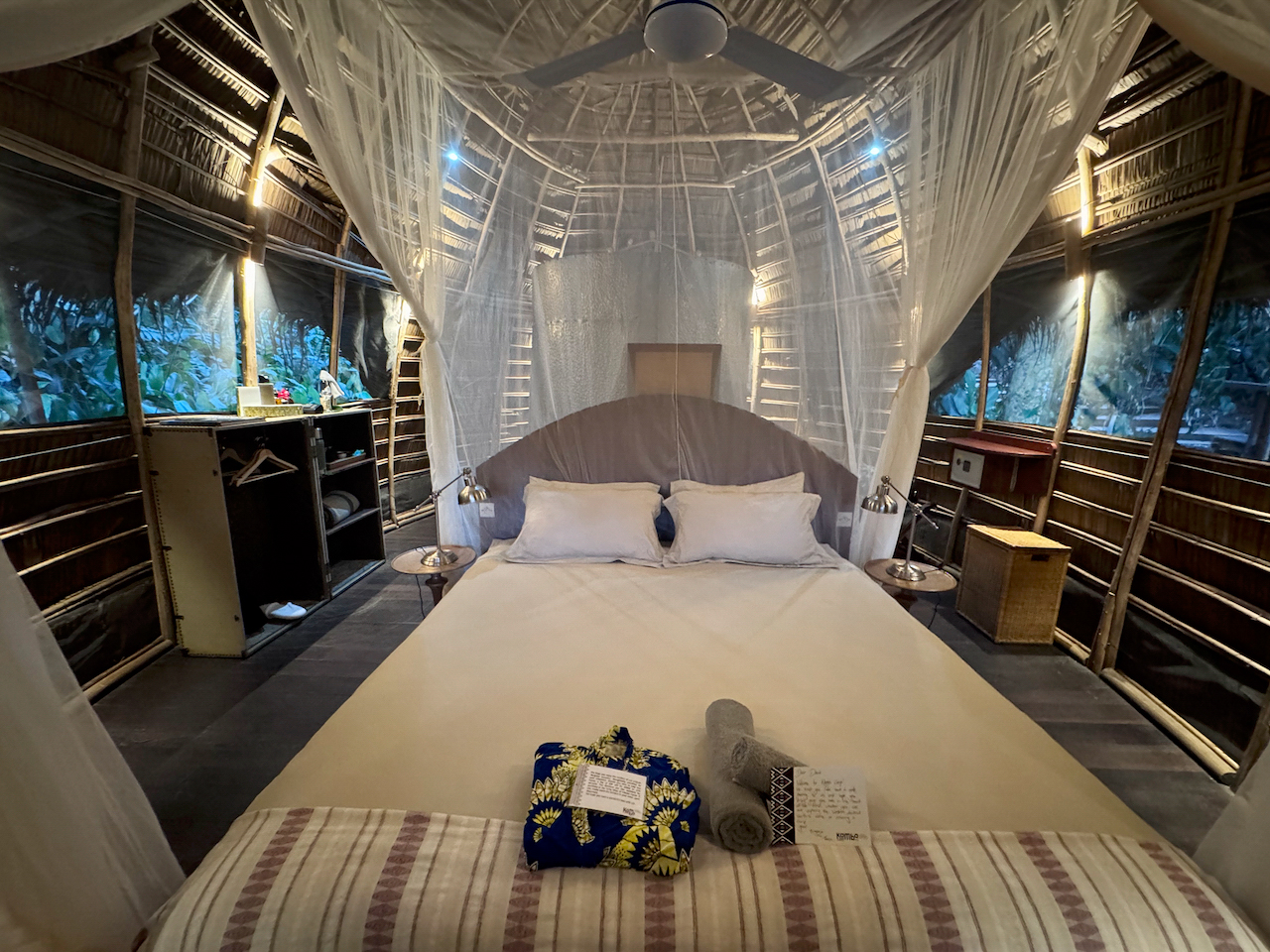
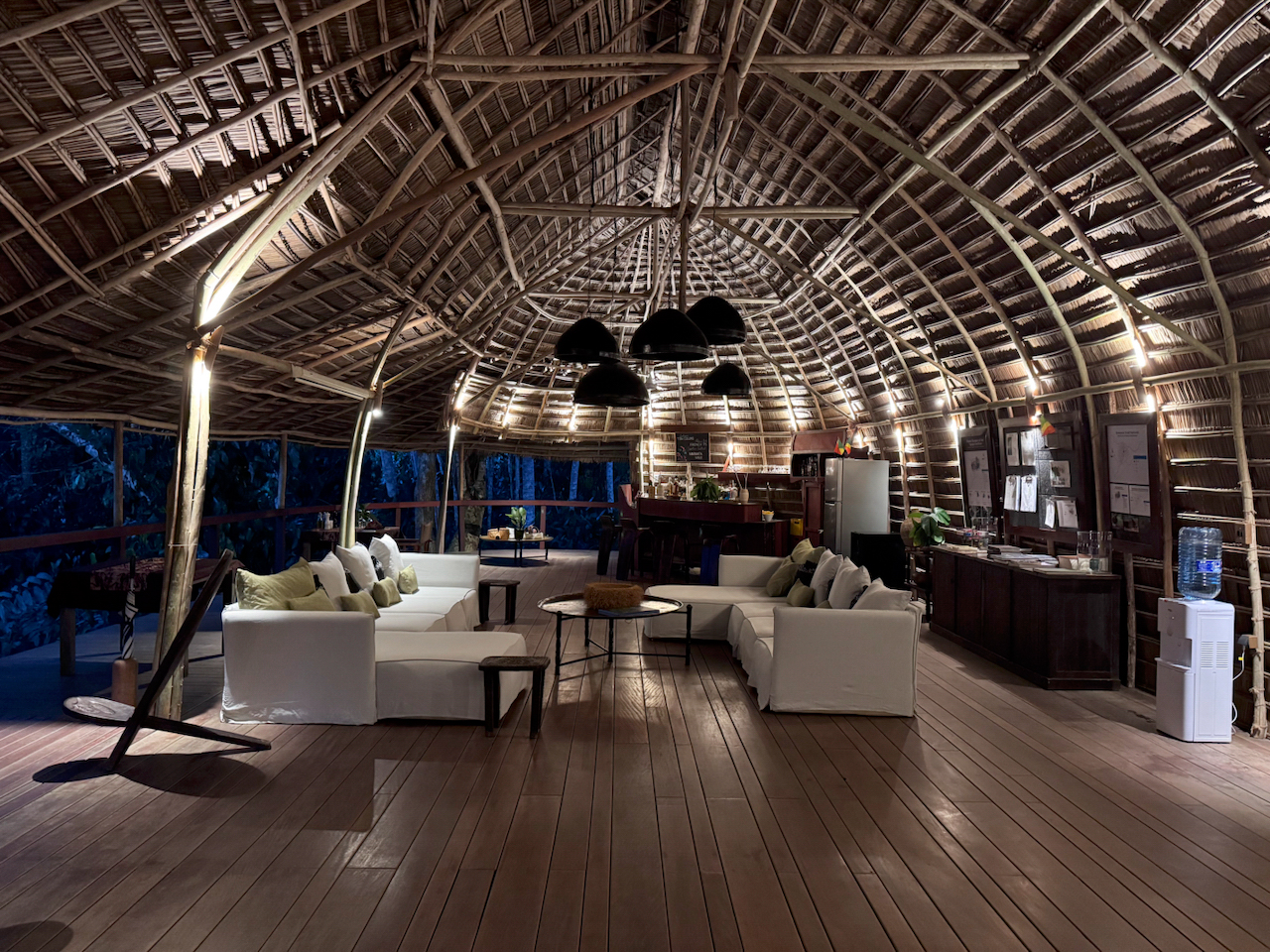
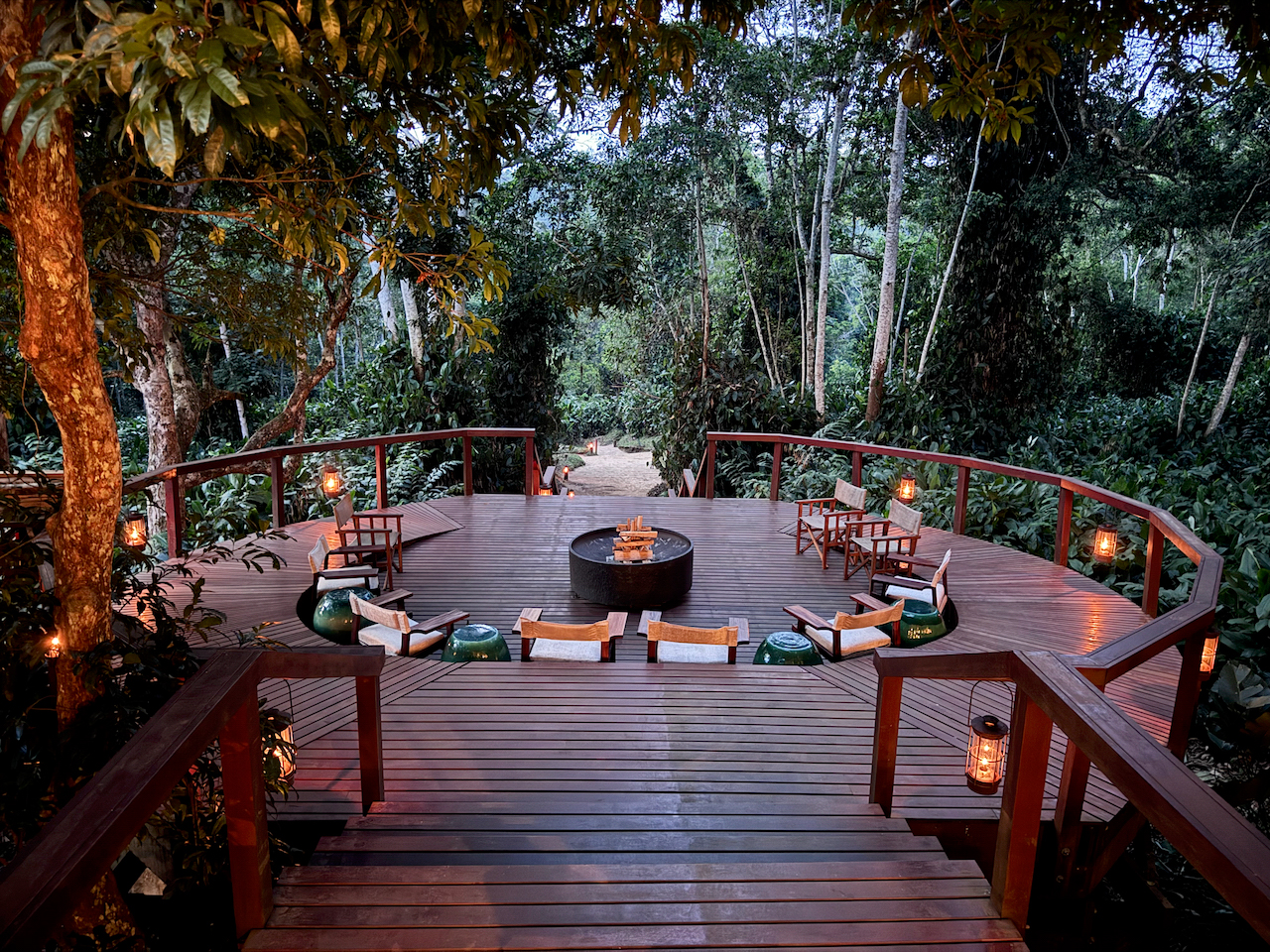
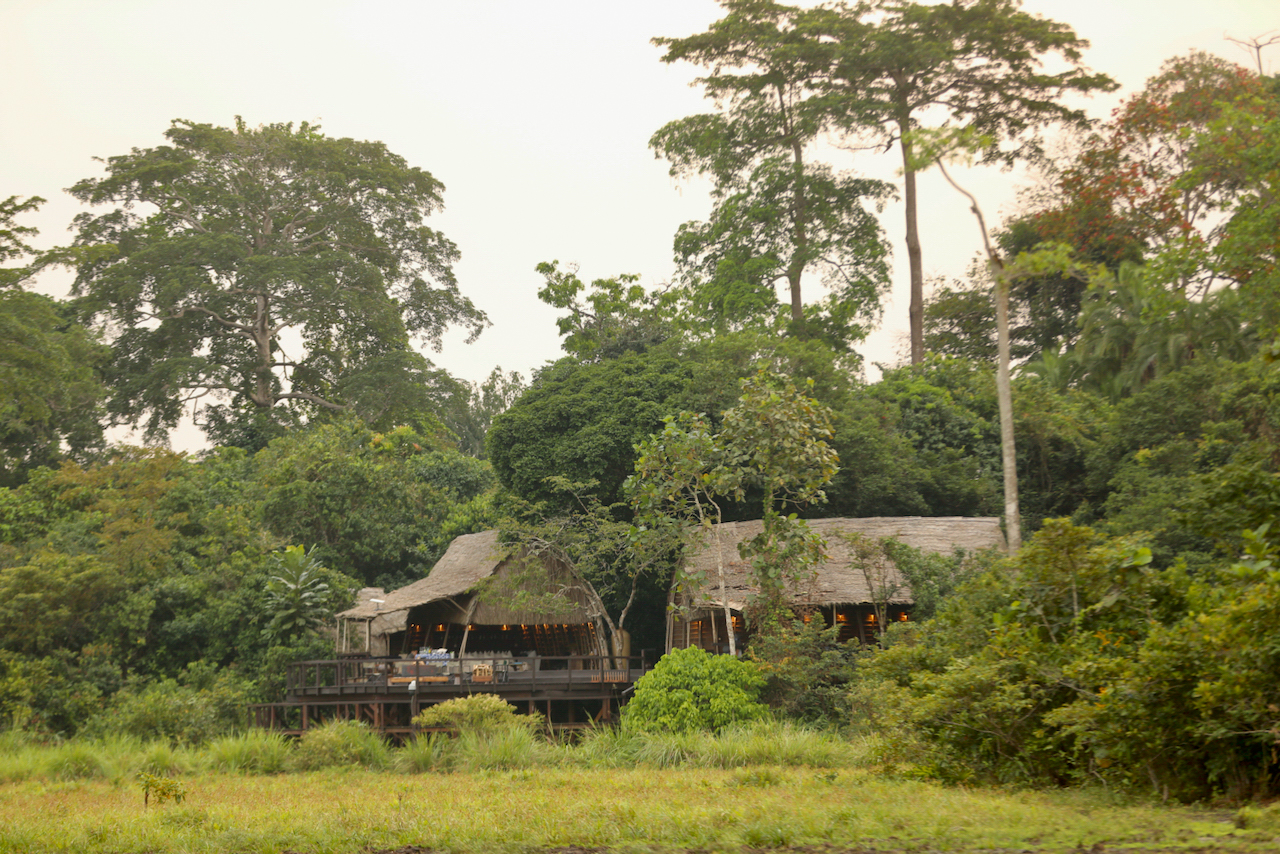
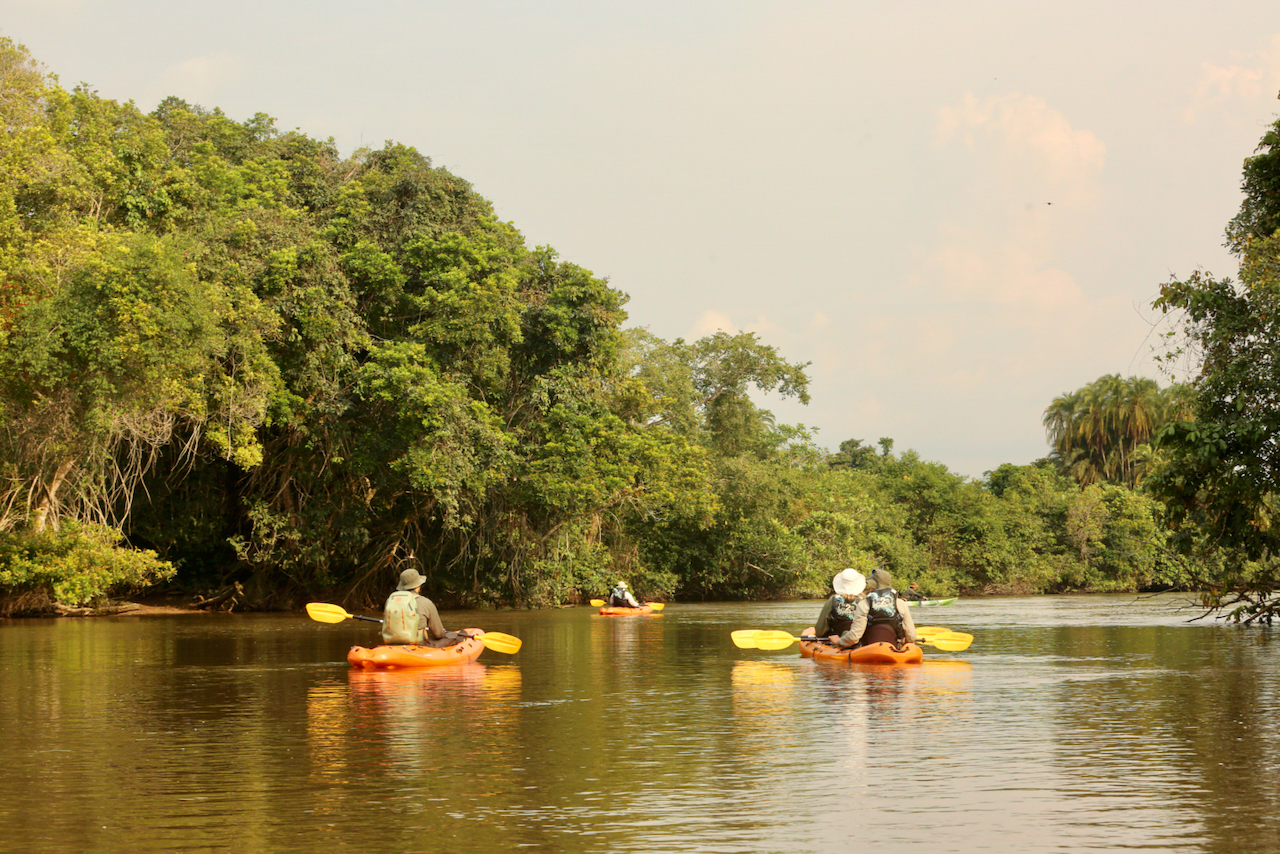
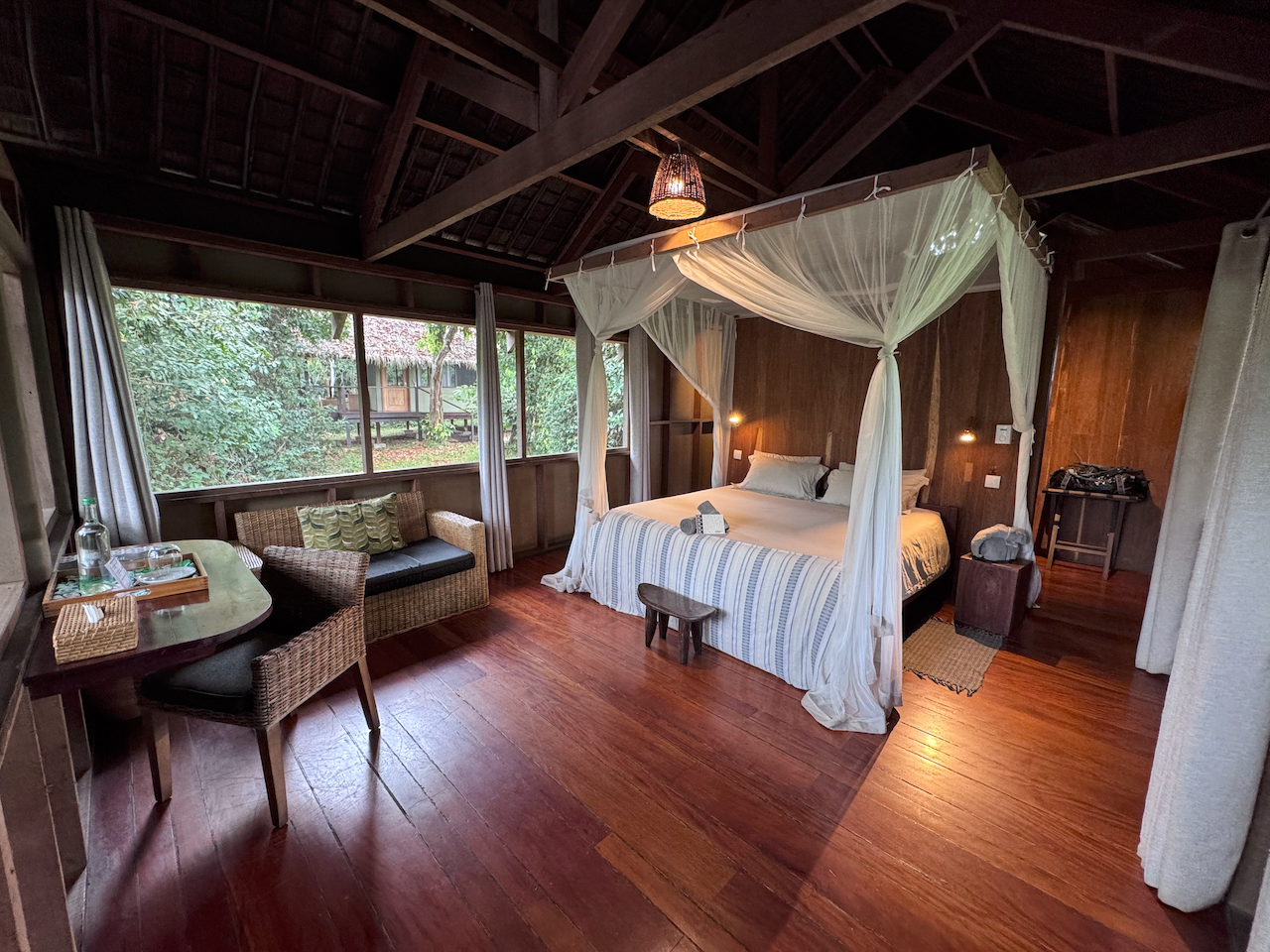
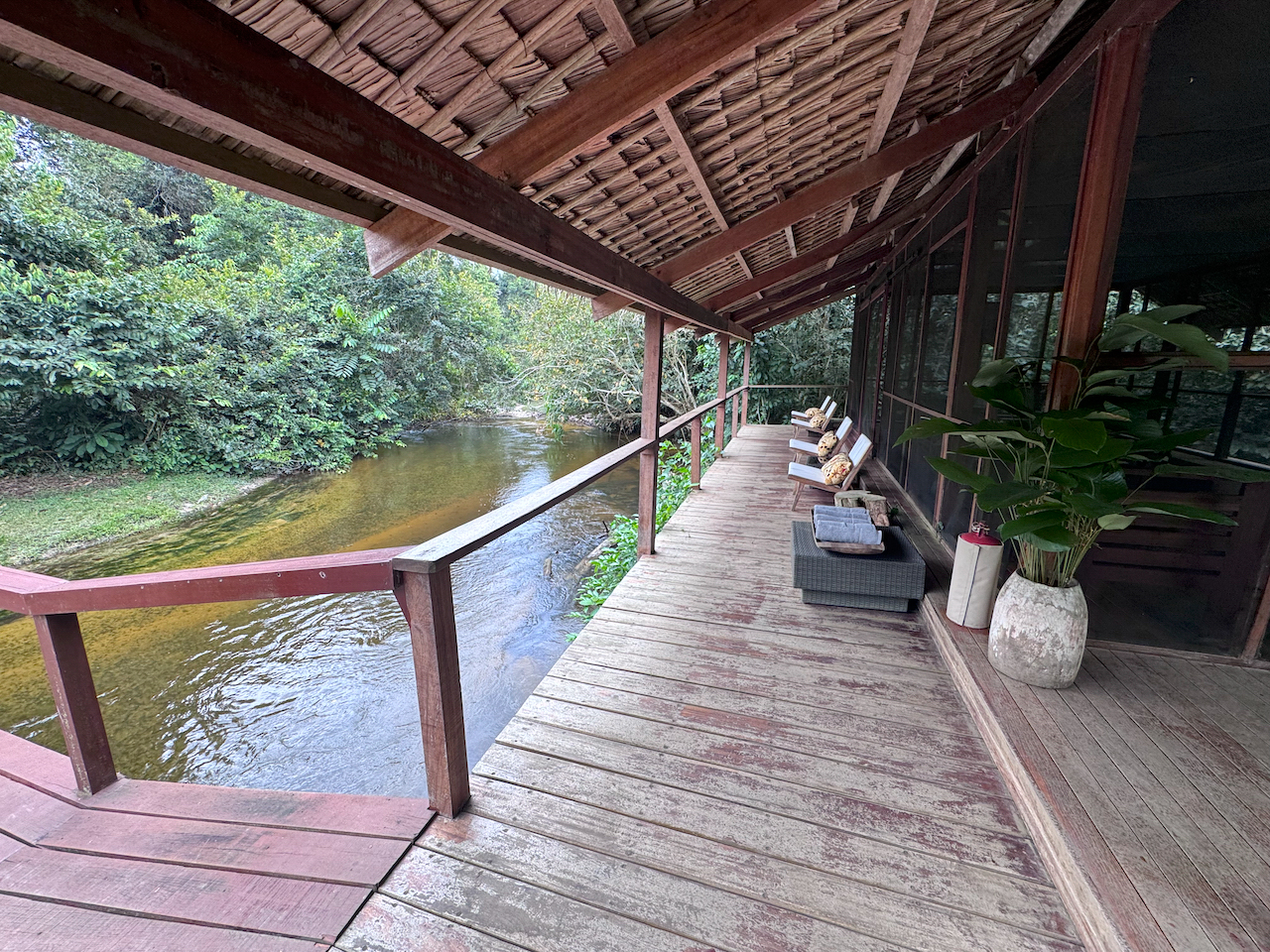
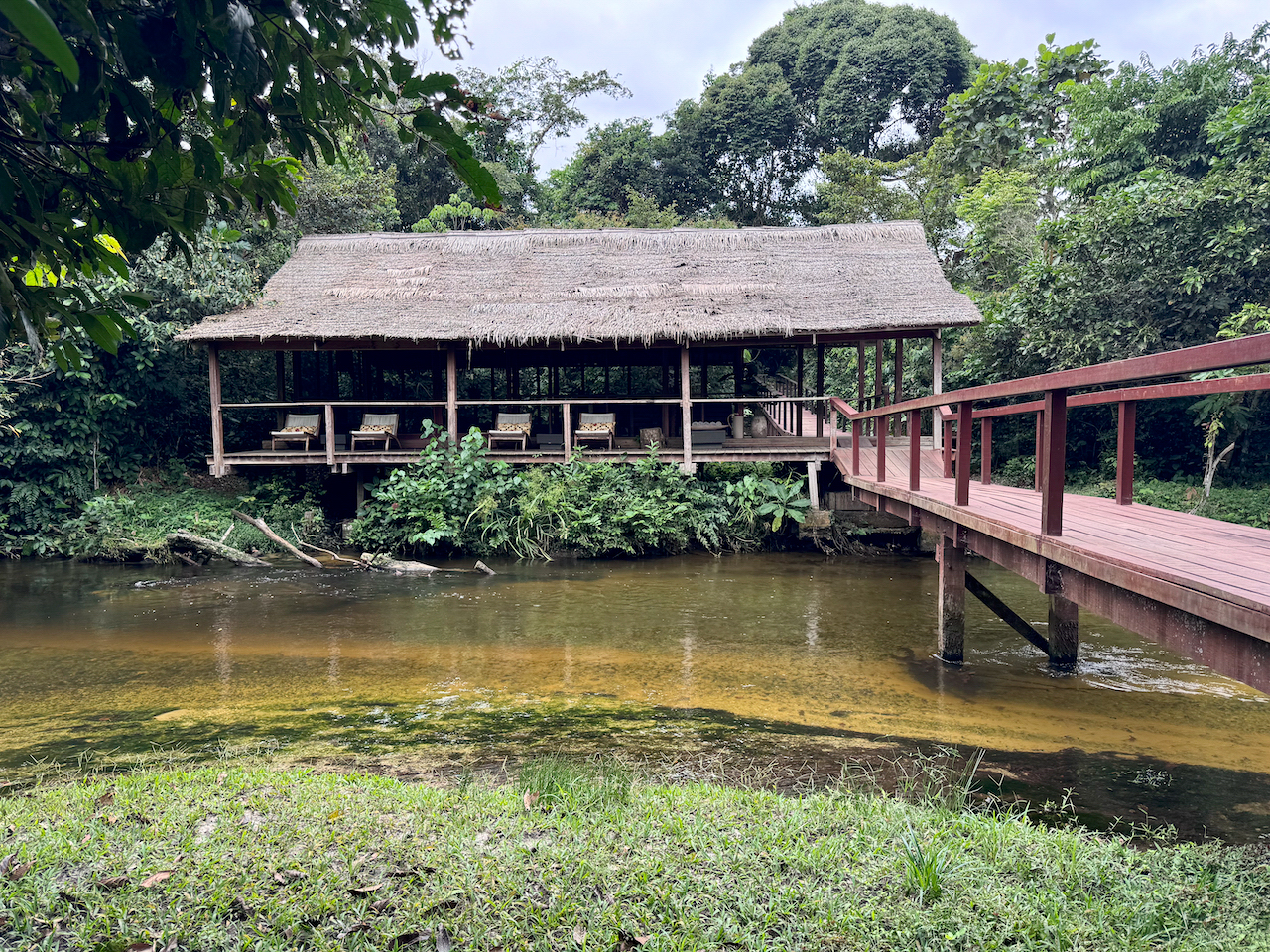
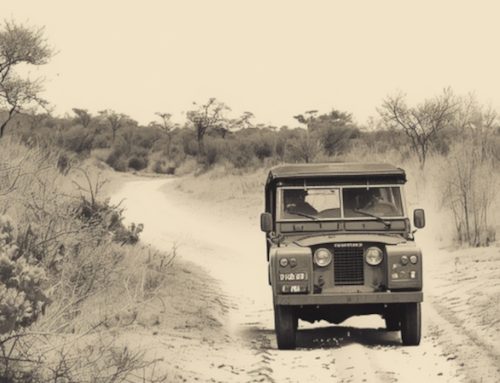
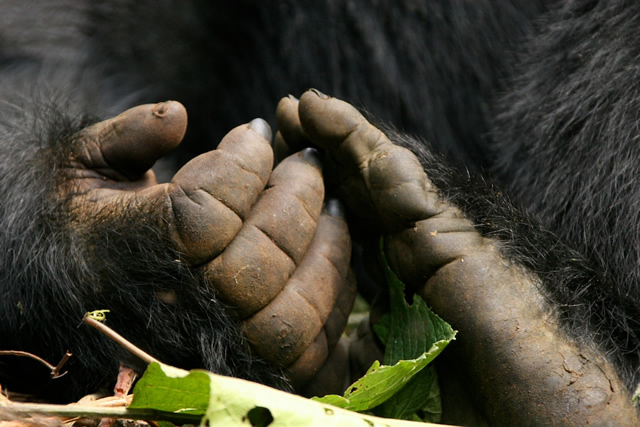
Dave’s highlights included two families of Western lowland gorillas, slender-snouted crocodiles basking on fallen trunks (the only sun-warmed surfaces available), chimpanzee tracks, several monkey species – De Brazza’s, agile and grey-cheeked mangabeys, black-and-white colobus and crowned monkeys – and extraordinary birdlife, including one morning when thousands of African grey parrots streamed overhead. To cover this enormous reserve they moved between three camps by 4WD, on foot (often knee-deep in water), by kayak and by boat. The camps were comfortable and the food delicious – though if luxury and ease of travel are priorities, Rwanda or Uganda may be your preferred choice. If you enjoy being in truly wild, remote wilderness with no other visitors for miles, you will find the ROC magical.
Justin
(Photos courtesy of Dave Christensen)